

























































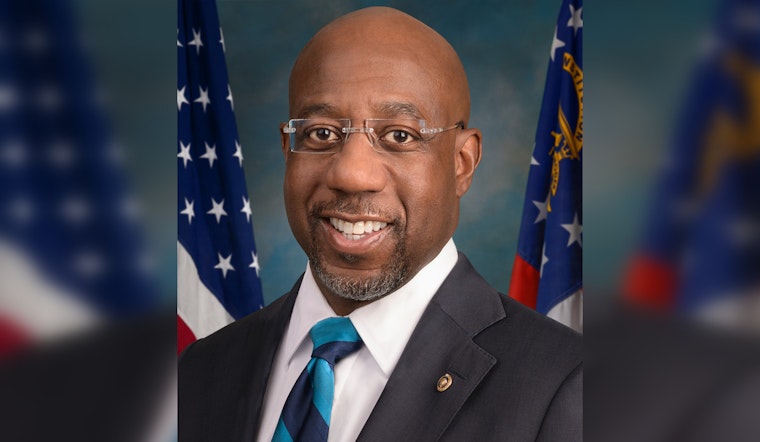
In a straightforward move meant to bridge the daunting healthcare coverage gap, U.S. Senator Raphael Warnock has stepped up with the introduction of the Bridge to Medicaid Act. According to GPB, this legislation is designed to extend a lifeline to those thousands in Georgia who find themselves too poor for ACA subsidies yet too 'wealthy' for Medicaid. Revealed last Thursday, the senator's proposal targets the over 100,000 Georgians currently stranded in this health insurance limbo.
For a state that hasn't expanded Medicaid, like Georgia, the numbers are stark. Warnock’s office, quoted by GPB, put it in perspective: A family of three would have to make less than $7,750 annually to receive Medicaid - a salary threshold situated miserably below 30% of the federal poverty line. Recognizing the fix's temporary nature, Warnock angled for pragmatism over perfection—seeing the stopgap as a necessity until the state leaders budge on the expansion issue. The bill would provision tax credits for premiums and cover up to 99% of deductibles for those it aims to assist, providing ease where there’s currently none.
Heather Payne, a North Georgia ER nurse among the uninsured and burdened by the aftermath of a series of strokes, embodies the crisis at hand. "Nothing else matters when you can't take care of yourself when you're sick," Payne shared in an interview with GPB. Her experience—watching savings evaporate and being turned down for disability twice—is a harrowing testament to the systemic shortcomings that Warnock's legislation aims to mitigate.
With a unique blend of empathy and fiscal pragmatism, Warnock has made it clear that he is not asking for new funds, but rather, a smarter allocation of existing ones. Georgia, still sitting on $1.2 billion in federal incentives allocated for expanding Medicaid, could potentially make a significant impact without dipping further into taxpayer pockets. "We're not asking Georgia citizens to pay a single dime extra in taxes," Warnock assured constituents, as reported by GPB. Recognizing that money already on the table could vastly improve healthcare accessibility, the senator continues to press for a shift in state policy.
Looking ahead to 2025, the Warnock team aspires to include the Bridge to Medicaid Act within a larger tax package debate—timed with looming tax cut expirations for the wealthiest. If ample vigor can be mustered to sustain tax benefits for the richest, the same should hold true for providing healthcare for the most vulnerable—a position Warnock firmly maintains. His coalition-building shows with co-sponsors that include Sens. Jon Ossoff (D-Ga.), Tammy Baldwin (D-Wisc.), Bobpeed, and Elizabeth Warren (D-Mass.).


