

























































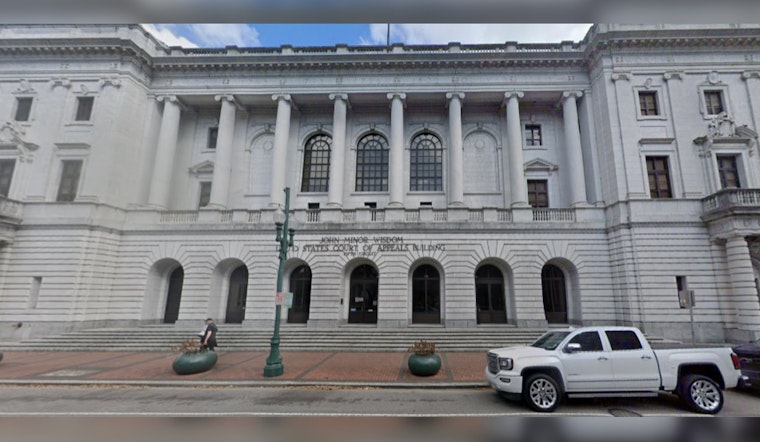
The U.S. Supreme Court has once again overruled a series of decisions made by the 5th U.S. Circuit Court of Appeals, in a move that underscores the High Court's caution against the lower court's trajectory. In total eight out of eleven cases from the 5th Circuit - which serves Texas, Louisiana, and Mississippi - were slapped down by the Supreme Court in its latest term. This unusual pattern highlights the discord even within the judiciary's conservative spectrum, as detailed in a recent Texas Tribune article.
Among the contentious issues reversed by the Supreme Court were decisions on abortion medication, gun control, and social media moderation. The conservative leanings of the 5th Circuit, which were accelerated by the six Trump-appointed judges, seem to have run afoul of the High Court's standards. "One of the most conservative Supreme Courts we've ever had is still repudiating right-leaning decisions from the most conservative appeals courts in the country," Georgetown University law professor Steve Vladeck told the Texas Tribune. Vladeck also noted “These rulings have the effect of taking legal theories that were off the wall, and putting them on the wall,” regardless of their success in the highest court.
One key case revolved around the drug mifepristone, used in medication abortions. U.S. District Judge Matthew Kacsmaryk, in Amarillo, referred to physicians prescribing the drug as "abortionists" and aimed to revoke the FDA's approval. However, the Supreme Court overruled the 5th Circuit's stance that the plaintiffs had standing to sue. In an opinion that quoted the late Justice Antonin Scalia, Justice Brett Kavanaugh noted, “As Justice Scalia memorably said, [standing] requires a plaintiff to first answer a basic question: ‘What’s it to you?’” illustrating that plaintiffs cannot be mere bystanders to have a federal lawsuit. Further, he criticized the 5th Circuit for an "unprecedented and limitless approach" to standing, as reported by the Texas Tribune.
Furthermore, in another standing-related issue, the 5th Circuit supported Missouri and Louisiana attorneys general's claims against the Biden administration's alleged pressure on social media companies. Justice Amy Coney Barrett rejected their theory “This theory is startlingly broad, as it would grant all social-media users the right to sue over someone else’s censorship — at least so long as they claim an interest in that person’s speech.” This case, and others like it, contribute to a growing perception of the Supreme Court as being relatively centrist, as it steps in to block extremer rulings from circuits like the 5th.
Despite the streak of reversals, experts like Josh Blackman of South Texas College of Law argue that this doesn’t mean the 5th Circuit will necessarily alter its approach. "The judges of the 5th Circuit don’t work for the Supreme Court anymore than I work for you," Blackman said, indicating the independence held by appellate judges to interpret the Constitution as they deem fit. This adherence to conservative ideologies, even when out of sync with the overarching Supreme Court’s views, showcases the 5th Circuit's commitment to its judicial philosophy and its judges’ view of constitutional interpretation.
The long-term impact of these rulings remains unclear. While the litigants may reassess their strategies in light of repeated rejections by the Supreme Court, the fact remains that they've managed to draw significant attention to their causes. The legal discourse is being pushed in a direction that garners national interest and debate, a point not lost on scholars or the public at large.





