

























































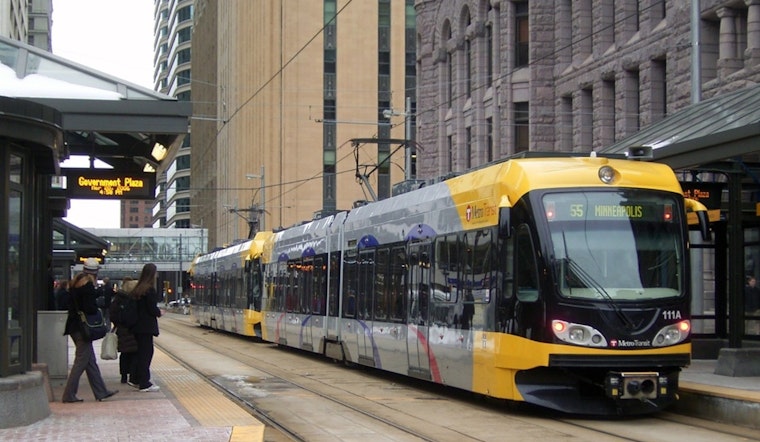
The Metropolitan Council is putting the wheels in motion and the cities of Minneapolis, Crystal, Robbinsdale, and Brooklyn Park are on deck to scrutinize the preliminary design plans of the METRO Blue Line Extension, a transit project set to reshape the northwest Twin Cities corridor. In a move pushing the 13.4-mile light rail transit vision closer to reality, these cities received the proposed designs on July 24, as per the nod from the Met Council, according to an announcement on their website.
Much like an intercity baton pass, it's now on local governments to review and approve the designs or toss their amendments into the mix—a stage known as municipal consent which is part of a state-mandated dance ensuring each slice of the track aligns with the neighborhoods it will serve. The cities are tasked with holding public meetings ahead of an October 10, 2024 deadline to stir up debate and make their decisions, before sending any feedback for Met Council's consideration and potentially, a search for middle ground solutions should differences arise.
In anticipation of the public meetings, Met Council's chair Charlie Zelle emphasized the significance of community involvement, stating, "This process gives people an opportunity to participate in the line through their elected officials," and underscoring the enduring impact of the project that he believes will "serve our region for the next 100 years." Zelle's remarks highlight the council's stance on the democratic process woven into the project’s development.
Addressing local particulars isn't new ground for the Blue Line Extension team—their ongoing collaboration with city officials via Issues Resolution Teams has been ironing out technicalities covering everything from pedestrian trails to the nitty-gritty of utility placements since August 2020, proving that while drawing lines on a map is one thing, embedding them into the community fabric is a whole different ballgame, for the sake of clarity, Zelle noted, "No matter how well we design a project, we need each city to let us know how it will fit into their neighborhoods and serve their communities," underscoring the collaborative efforts put in place.
The Blue Line Extension isn't just plotting a course; it's carving out paths for voices to be heard through till August 6, 2024, when comments can be made on the Supplemental Draft Environmental Impact Statement—a comprehensive evaluation of the project's footprint. Citizens concerned with the project's environmental repercussions or wishing to amplify its benefits can find the document and weigh in here.
When it comes to the heart of the METRO Blue Line Extension, it's not just about connecting points A to B; it's about the communities in between, especially historically underserved BIPOC communities, which stand to benefit significantly from the expansion. With the expectation that half its ridership will hail from car-less households, this project isn't a mere expansion—it's a lifeline expected to add 13,000 new trips a day, swelling the total Blue Line ridership to nearly 30,000 daily trips by its proposed debut in 2030, as outlined by the Met Council.





