

























































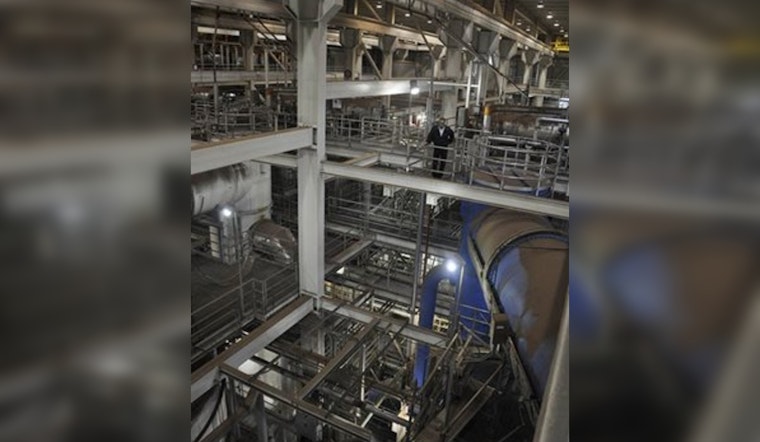
The Metropolitan Council has set the stage for a 5.6% increase in the regional municipal wastewater charge slated for 2025, significantly impacting the Twin Cities metro area. In an official announcement, the Met Council has communicated that this decision is in response to the ever-growing requirements of managing and treating wastewater effectively.
According to the details released on Met Council's website, the increment will affect the 111 cities and townships that utilize the regional wastewater collection and treatment system, with the cost allocation based on the volume of wastewater each entity sends to the regional facilities. Residents, as it stands, can breathe a measure of relief as their retail rates for wastewater services still sit around 35% lower than averages faced by households in similar-sized regions, per the National Association of Water Agencies.
The Met Council Chair, Charlie Zelle, underscored the Council's commitment to the community by stating, “The Met Council’s wastewater collection and treatment system supports the economic vitality, public health, and water quality in our region. We’re proud of the value and caliber of our services, including our continued outstanding compliance with environmental standards.” Also noteworthy is Met Council's reliance on user fees to fund its wastewater operations entirely, ensuring a direct nexus between the service users and the utility's sustenance.
This pricing change is projected to generate about $376.9 million in revenue for 2025, according to Matt Gsellmeier, finance manager in the Environmental Services division. He elaborated on the financial strategy, highlighting that “Over the last several years the region has seen robust development, especially in the residential sector. This helps us keep our SAC reserve healthy, which in turn allows us to keep our SAC rates flat.” This strategy seems poised to keep the one-time sewer availability charge (SAC) for connecting to the system steady for the eleventh consecutive year.
On the expense side, the organization outlines that a hefty 41% of the budget goes to debt service, aligning with the Met Council’s focus on improving existing infrastructure, including regional sewer pipes and treatment facility upgrades. Meanwhile, community measures to control costs are encouraged, as cities have the opportunity to lower their wastewater flow through pipe repairs and water conservation efforts, therefore reducing their incurred cost.
Local governments received preliminary rate proposals earlier this year, with the Met Council hosting two customer forums in May and June to discuss these changes. Participation was notably high, with 63 people representing 41 communities attending. Early approval of these rates is crucial for local governments to budget for 2025 effectively, aligning with the Met Council's proactive budgeting process and commitment to transparency.





