

























































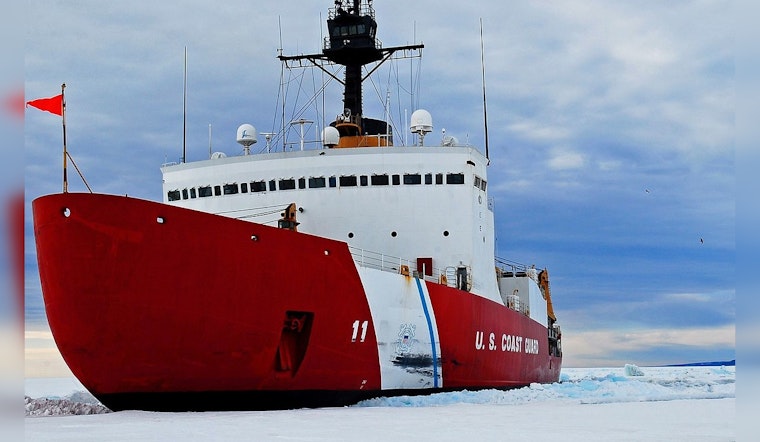
In a move looking to solidify its position in the polar regions, the Biden-Harris Administration, together with representatives from Canada and Finland, have launched what's been dubbed the "ICE Pact," a trilateral initiative that aims to enhance icebreaker production and polar capabilities. According to a statement from The White House, this alliance is set to strengthen the shipbuilding industry and bolster economic and security ties.
Boosting the domestic shipbuilding capacity is a pivotal element of the ICE Pact. Partners Canada and Finland, along with the United States, intend to lean into their united shipyards to construct a new generation of polar icebreakers to serve national needs and potentially those of their partners and allies. Navigating the financial reefs inherent in shipbuilding, the pact acknowledges the necessity of long-term commitments to shipyard success. Invitations have been extended to like-minded nations to purchase these specialized vessels, made in American, Canadian, or Finnish shipyards, capable of braving the demanding polar environments.
The finer points of the ICE Pact are set to unfold by year's end, with the nations drafting a joint memorandum of understanding outlining their collaborative framework. The memorandum, to be developed through regular trilateral consultations, will also sketch out how additional allies can join the initiative. This structured dialogue will pave the way toward the implementation of standardized practices, shared resources, and joint workforce development, aiming to fast-track the delivery of these vital vessels.
Central to the United States' involvement in the ICE Pact is the construction of new heavy icebreakers through the Coast Guard's Polar Security Cutter (PSC) Program. Bollinger Shipyards of Louisiana is the chosen builder, breaking ground on these cutters, which represent the first American-built heavy icebreakers in more than fifty years. These assets are key to the U.S. commitment to a proactive presence in the polar regions, ensuring access to both polar regions.
The ICE Pact, framed as a strategic economic and defense move, speaks to a broader vision of polar accessibility and international cooperation. Through shared endeavors and collective expertise, the United States, Canada, and Finland aim to navigate the challenges laid by a rapidly changing Arctic landscape, offering their northern approach as a beacon for global partnership in an age when the poles represent not just the edges of the earth but also the frontiers of human endeavor.





