

























































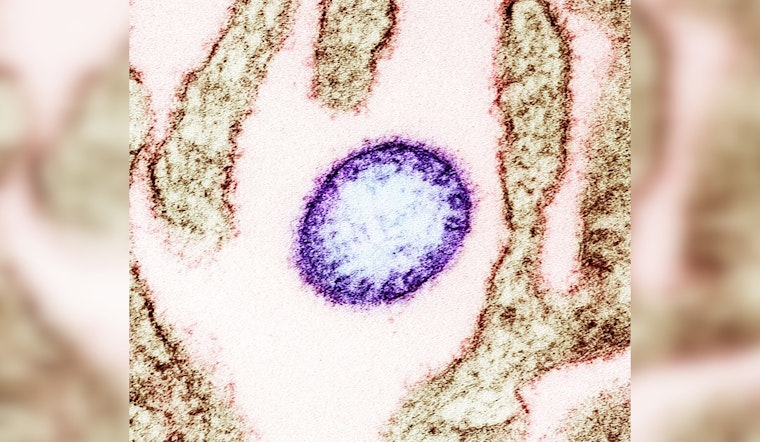
The University of Minnesota's Center for Infectious Disease Research and Policy (CIDRAP) recently disclosed their updated Research and Development (R&D) Roadmap for fighting the Nipah virus (NiV). Unveiled with intentions to boost the creation of medical countermeasures (MCMs), the 2024 Update targets advancements in diagnostics, therapies, and vaccines for effective response during NiV outbreaks.
Published in The Lancet Infectious Diseases, the R&D roadmap, titled "Measures to prevent and treat Nipah virus disease: research priorities for 2024-29," by KA Moore and colleagues, delineates current obstacles and outlines major goals over the next five years. NiV has a record of causing severe encephalitis, often followed by a swift progression and high fatality rates. In outbreaks, fatality rates have soared to as high as 100 percent, and, as of now, no definitive treatments or vaccines have been licensed to counter NiV infection.
The roadmap derives its updates from a substantial body of scientific literature and the consensus opinion of an international expert group. According to Dr. Michael Osterholm, director of CIDRAP, an emergent, more adaptable strain of NiV poses a potential threat. "If a strain of Nipah virus emerges that is more adaptable to humans with greater potential for person-to-person transmission, we need to have the tools in place to treat the disease and quickly contain its spread," Osterholm told the University of Minnesota.
The framework for the roadmap includes scenario planning to pinpoint gaps in R&D, developing standards for assays and clinical sample repositories, and progressing through various stages of clinical trials for potential treatments and vaccines. By 2024, there's an expectation to complete phase 1 clinical trials for at least three vaccine candidates and by 2025 to assess monoclonal antibody treatments in NiV-affected regions. Moreover, the upcoming years should see the completion of clinical validation for diagnostic tests and the international approval for rapid point-of-care NiV diagnostics.
Looking beyond isolated achievements, the roadmap suggests a global upswing in NiV surveillance, accelerates the evaluation of therapeutic agents and urges for nontraditional regulatory pathways for vaccine approvals. Advanced techniques like computational-aided drug design are also earmarked to make NiV medical countermeasures available by the end of the decade. Osterholm added, "Our hope is that the availability of this roadmap will help galvanize global support to further advance diagnostics, therapeutics and vaccines against one of the world’s deadliest viruses."
This ambitious R&D Roadmap is supported by the Wellcome Trust and is part of CIDRAP’s broader mandate as a global leader in infectious disease response and public health preparedness. Their work aims not just to tackle current threats but also to preemptively establish a defense against future infectious scourge.





