

























































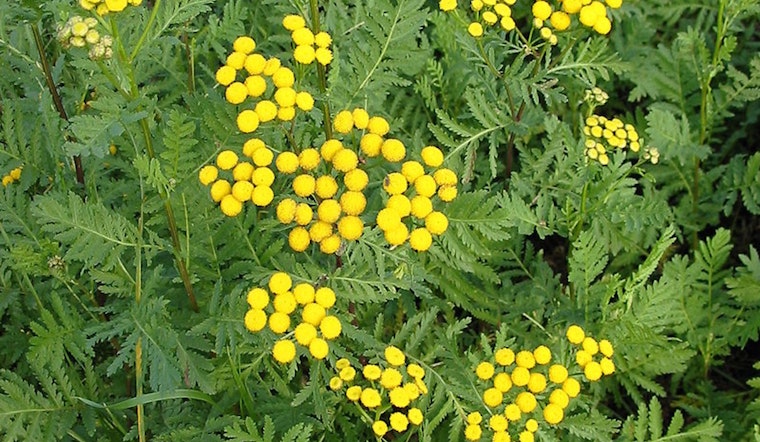
In a fresh scientific interrogation of the invasive surge across Minnesota, common tansy—a non-native species causing ecological concern—has been studied for its patterns of spread in the region. The findings, published in Molecular Ecology and sourced from the University of Minnesota’s research, reveal a link between land use and the rapid colonization by Tanacetum vulgare, commonly known as common tansy. As reported by the University of Minnesota, the study was under the patronage of the Minnesota Invasive Terrestrial Plants and Pests Center, which itself is funded by the Minnesota Environment and Natural Resources Trust Fund.
The invasive tansy, a plant that makes other native species choke out by forming dense clusters, had its genome sequenced from samples at 176 locations across Minnesota. The researchers observed a significant influence on the environment, noting that disturbed areas like mines and roadways became hotspots for the plant’s invasion. Though the southern and western regions have seen a slower invasion thanks to row crop cultivation, it appears prairie grasslands pose a barrier to the tansy's expansion as Ryan Briscoe Runquist, a senior research associate in the College of Biological Sciences, explained.
"Understanding what environmental factors drive invasive spread allows researchers and land managers to better plan for and deal with the threat of common tansy and other invasive species," stated Runquist, emphasizing the strategic implications of such ecological insights. The study also pointed out that newer populations in the northwest have undergone genetic divergence, hinting at possible adaptive measures that the species has undertaken which may boost their future spread.
The implication of these findings is critical for future land management, with the species demonstrating a proficiency to colonize between sites with suitable soil conditions. Runquist notes the slowed invasion in certain areas but warns that "Land managers should pay attention to these habitats in regions along the invading front to stop continued invasive spread," highlighting a proactive approach to controlling the spread of common tansy.
Considering the future scope of this ecological challenge, the team is already plotting the next phase of research. They aim to evaluate if common tany has adapted to the various climates across Minnesota and how transplanted populations from varied regions might perform. Key plant traits for survival and success in reproduction are on the scientific radar, with intentions to delve deeper into the genomic factors that contribute to the tansy's invasiveness.





