The spread of West Nile virus across Clark County has heightened with reports of mosquitoes carrying the virus spanning 44 Southern Nevada zip codes, according to recent findings. Increasing steadily, the Southern Nevada Health District has this week confirmed a total of 14 cases, up from 10 reported cases as of July 10. Notably, the district documented that 17% of tested mosquitoes were positive for the virus, marking a sharp uptick from the previous years. Last year, there were only two known cases in the county, with no recorded cases in 2021 or 2022. The jump in cases now positions Nevada among the most affected states in the U.S. as per the latest CDC data pointed out by KTNV.
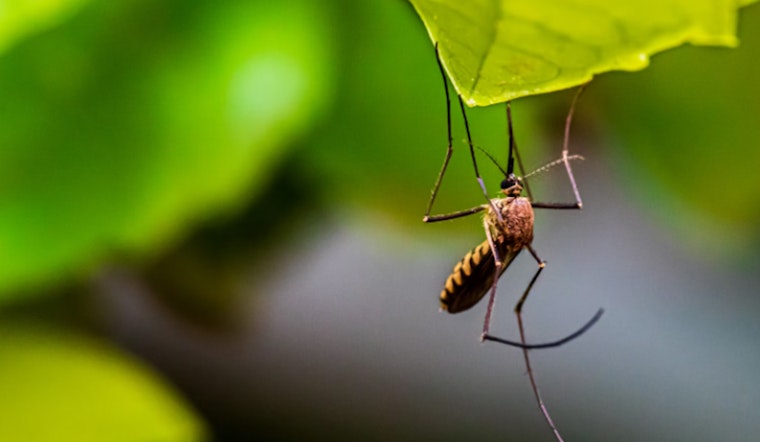
Sample pools are to carefully be tested, involving thousands of mosquitoes from different locations in the community, which has led to the discovery of virus-harboring mosquitoes in numerous neighborhoods. KNTV anchor Joe Moeller's observation back in late May of an increasing number of mosquitoes near his home has been validated by this current spread. As indicated by Louisa Messenger, a mosquito disease expert at UNLV, there has been a "massive uptick" in Southern Nevada's mosquito population recently. An attribute to the Aedes aegypti mosquito, known for its preferential human biting behavior and its ability to breed in minimal amounts of standing water, has exacerbated the situation.
Additional figures released by the health district highlight the severity of these cases: of the 14 individuals affected, five are suffering from non-neuroinvasive forms of the virus, while nine cases are considered neuroinvasive, leading to serious conditions such as encephalitis or meningitis. The heightened risks associated with West Nile infections are underscored by CDC statistics, stating that "about 1 out of 150 people infected develop serious, sometimes fatal, illness." These details, supplemented by a geographical breakdown showing the virus's prevalence in the northwest Las Vegas area and North Las Vegas, were reported by FOX5 Vegas.
With the issue gaining urgency, the area's fight against the West Nile virus continues to be reliant on proactive measures to eliminate breeding grounds and safeguard public health. Such efforts are critical considering that the virus's impacts are possibly to not just abruptly emerge, but deeply affect communities. As Southern Nevada confronts this growing health concern, it highlights the ever-present need for awareness and action in the face of such environmental and public health challenges.