

























































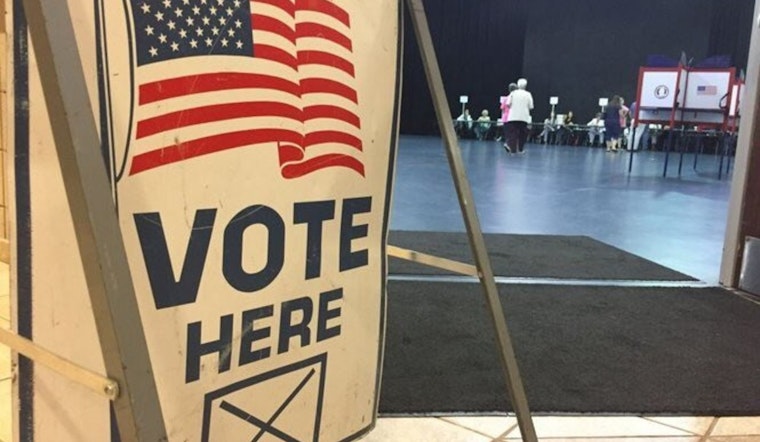
Chicagoans gearing up for a historic moment in the city's educational governance will watch as the first election for the school board takes shape with 32 candidates confirmed for the November ballot. According to the Chicago Sun-Times, this follows a rigorous qualification process, with challenges and withdrawals reducing the initial lineup from 47 hopefuls. Voters will elect 10 members to represent geographic districts, while the mayor appoints the other 11, including the board president. Starting in 2027, the shift moves towards a fully elected 21-member board.
The financial underpinnings of this election reveal a collective sum exceeding $400,000 raised for the campaigns thus far, with contributions stemming from varying sources. While some candidates resort to personal loans to fuel their aspirations, others depend on the generosity of friends, and family, or receive a financial leg up from established political entities. Chalkbeat reports the Illinois Network of Charter Schools and the Chicago Teachers Union, key stakeholders in education policy, are yet to unleash major funding into these races.
Across the newly delineated school board districts, campaign contributions are as varied as Chicago's patchwork of communities. District 10, stretching from Soldier Field to the Indiana border, boasts the richest campaign purse, clocking more than $130,000 collected. The majority of this impressive sum comes from self-financing by candidate Che "Rhymefest" Smith and his partner. In contrast, Adam Parrott-Sheffer, also a candidate for the district and a former Chicago principal, tells Chalkbeat about his lean campaign strategy and the importance of not being beholden to special interests, echoing the ethos of independent candidacy prevalent in Chicago's political landscape.
As the November 5 election inches closer and early voting is set to begin on September 26, all eyes rest on a city at the crossroads of a democratic experiment in education governance.





