

























































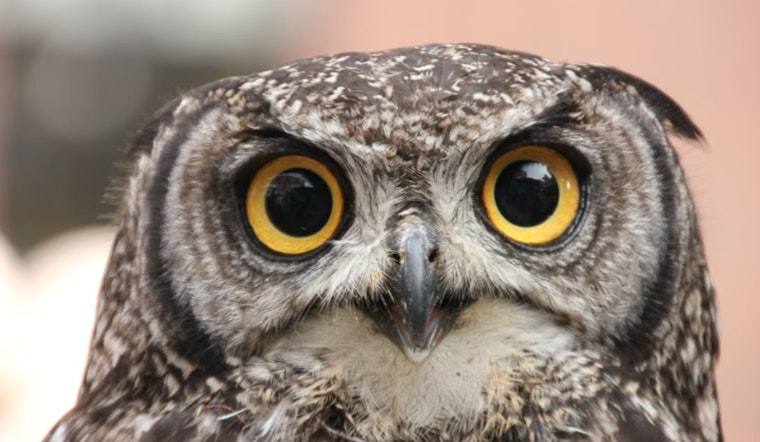
In recent news from the wildlife front, a baby Eastern screech owl found abandoned on a road has been successfully rehabilitated and released back into the wild. This fortunate owlet, looked after by the team at Anderson Humane, symbolizes hope for many wildlife conservationists. Meanwhile, a darker narrative unfolds with the death of three great horned owls in Lincoln Park earlier this year, linked to rodenticide toxicosis, as reported by FOX 32 Chicago.
Stephanie Franczak, the wildlife rehabilitation manager at the center caring for the screech owl, described the tension inherent in their mission to rescue, emphasizing the need to avoid attachment by not naming the animals, found the little guy in the middle of a road, an hour from their facility. "I'm here for when humans, that unnatural force, take away their first chance," Franczak told CBS News Chicago. After three months of care, culminating in a release where the owlet "was absolutely beautiful, took off, and he has life now," as Franczak observed, contrasts sharply with the plight of the great horned owl family that resided in Lincoln Park.
In parallel, the tragic deaths of the great horned owls, as per FOX 32 Chicago, serve as a stark admonition of the cascading impacts of common human practices like the use of rat poison. Prince highlighted the lethal outcome of such indirect poisonings: "When animals ingest rat poison, it can cause uncontrollable internal bleeding and lead to death."





