

























































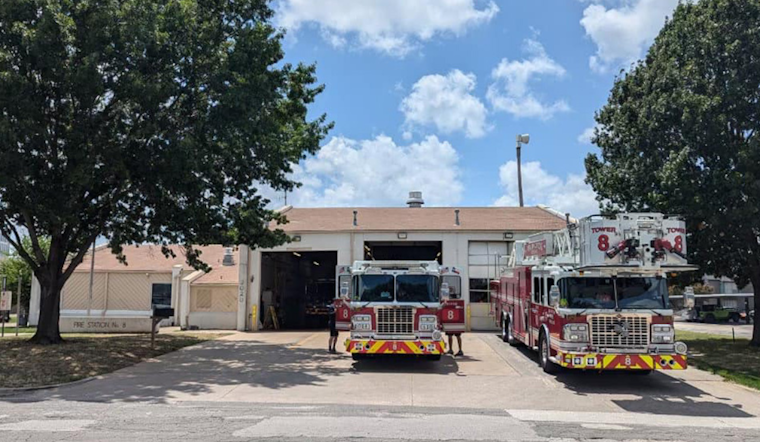
A landmark of service and security, the aging Fire Station No. 8 in Arlington is currently being demolished to construct a cutting-edge replacement that the city's residents envisioned and supported through the 2018 Bond Program. According to the City of Arlington, the demolition marks the first phase in creating a new 10,000-square-foot facility, which is set to replace the original 7,100-square-foot building that has served the community since 1978.
Aesthetically and practically outdated, the old fire station underwent a solitary remodel in 2005; nevertheless, the clarion call for a more up-to-date and spacious building was acknowledged by voters, paving the way for this imminent transformation and it's estimated completion time for the new building extends roughly 12 months following a two-month demolition period, targeting a November 2025 opening. The planned $13.9 million station includes a multiplicity of advancements, such as modern drive-through apparatus bays, dedicated dormitory spaces for firefighters, and communal living areas.
Amidst the clatter of deconstruction, Arlington's dedication to its protectors remains undisturbed, with Fire Station No. 8 crews operating out of alternate locations to preserve the district's safety, The response district, a densely woven 4.5 square miles of residential and commercial land including AT&T Stadium, remains in vigilant hands as the Arlington Fire Department promises no hindrance to the paramount response times during the construction period.
Attention to detail in design does not fall by the wayside, with the new firehouse set to feature cancer awareness measures such as gear extractors which aim to rid firefighters' equipment of harmful contaminants and exhaust removal systems, this new project thins the line between past and future, embedding within its walls not just infrastructure, but the regard for the firefighter's enduring battle with occupational hazards. Moreover, the station continues to host the specialized technical rescue team, equipped for a variety of critical scenarios, from high-angle rope rescues to heavy vehicle extrication.





