

























































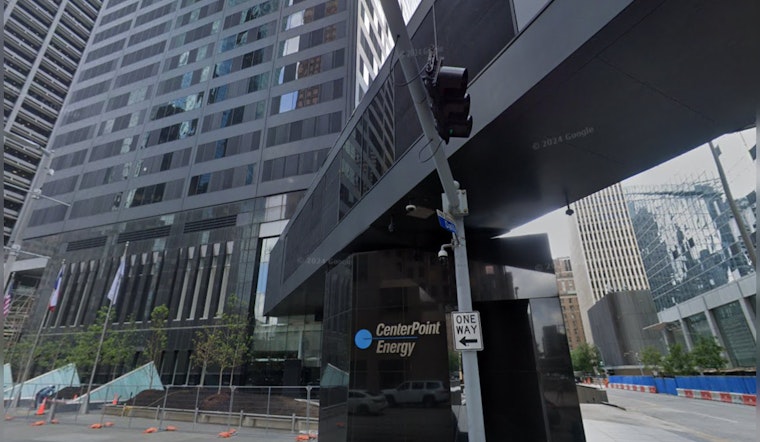
As the aftermath of Hurricane Beryl unfolds, Texas utility company CenterPoint Energy faces critical scrutiny over its preparedness and response. CenterPoint CEO Jason Wells, in a letter to Governor Greg Abbott that KHOU 11 News obtained, outlined "an ambitious set of 40 actions" to enhance storm resilience. In his promise to improve, Wells admitted, "We cannot erase the frustrations and difficulty so many of our customers endured." The commitment follows criticism regarding CenterPoint's $800 million investment in large, supposedly mobile generators that were not used in Beryl's wake.
Moreover, Texas lawmakers, according to a Houston Chronicle report, seem taken aback by the ineffectiveness of these costly generators, despite previous legislative decisions facilitating CenterPoint’s ability to make such investments. “I feel like I’ve been taken advantage of,” Sen. Phil King stated, reflecting on the legislation he authored that allowed utilities to lease them. Similarly, in the words of Sen. Carol Alvarado, the investment appears somewhat "arrogant."
The generators, intended for events likened to Winter Storm Uri, failed to deliver expected utility during Hurricane Beryl. Concerns have since been raised over why CenterPoint chose the high-cost option instead of more affordable generators, per KHOU 11 News. Lieutenant Governor Dan Patrick, echoing this frustration, announced his support for legislation to recuperate funds from the $800 million expenditure, stating, "CenterPoint will have to pay the $800 million from their own profits."
However, energy experts question whether the Public Utilities Commission (PUC) actually possesses the authority to rescind their earlier decision endorsing CenterPoint’s rate increase request for funding the generators. These experts, like industry consultant Doug Lewin, argue that substantial regulatory reforms are required to avoid such scenarios. CenterPoint, now estimating Beryl-related costs at around $1.8 billion, plans to seek approval for a bond to recover costs, potentially upping customer bills by about two percent for the next 15 years, according to Wells.



