

























































The Texas Department of Transportation (TxDOT) is facing a significant cost increase for the project aimed at elevating a section of Interstate 10 out of the flood-prone White Oak Bayou's region in Houston. Initially estimated at $347 million, recent bids have pushed expected costs beyond $400 million. The lowest bid of $407.8 million was submitted by Webber LLC, overshooting prior estimates by approximately $63 million, as detailed in a Houston Chronicle report.
Despite rising costs, TxDOT spokesperson Kristina Hadley indicated that no delays or pauses in the project's progression are anticipated. “There is no delay or pause anticipated,” Hadley stated in an email, with approval still pending from the Texas Transportation Commission, as mentioned by The Houston Chronicle. The undertaking is seen as a crucial infrastructure improvement, essential for maintaining travel continuity in catastrophic weather events like those experienced during Tropical Storm Harvey.
The project scope includes the elevation of roughly two miles of I-10, with the intended benefit of enhanced water detention space underneath and additional bike trails along the bayou. However, local residents have raised concerns regarding the impact on their communities, fearing an increase in noise and pollution from this and other projects planned in the vicinity. They urge officials to seek collaborative approaches that might minimize the environmental footprint and streamline the construction timeline, according to statements obtained by The Houston Chronicle.
Amidst backlash, TxDOT has made revisions to the initial proposal, taking into account feedback from over 400 public comments after their first announcement in the summer of 2022. As detailed by Houston Public Media, the reconsidered plan entails lowering proposed heights, using taller highway railings to mitigate noise, and altering the location of a detention pond to protect nearby forested areas. "The project team considered all comments received and made changes to the proposed design, where feasible, based on this public feedback," TxDOT conveyed in their presentation.
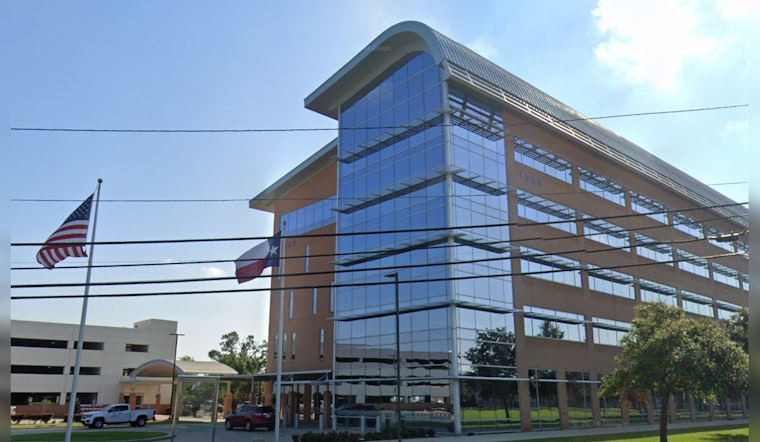
Construction is expected to start in early 2025 and span approximately four years. TxDOT has assured that no displacements of residents or businesses will occur due to the project. While the cost estimate has swollen, TxDOT continues to encourage local input on the revised plans. Public voices can be heard through various channels, including a comment card available at the upcoming in-person meeting at TxDOT's Houston office, and via email, as reported by Houston Public Media.


