

























































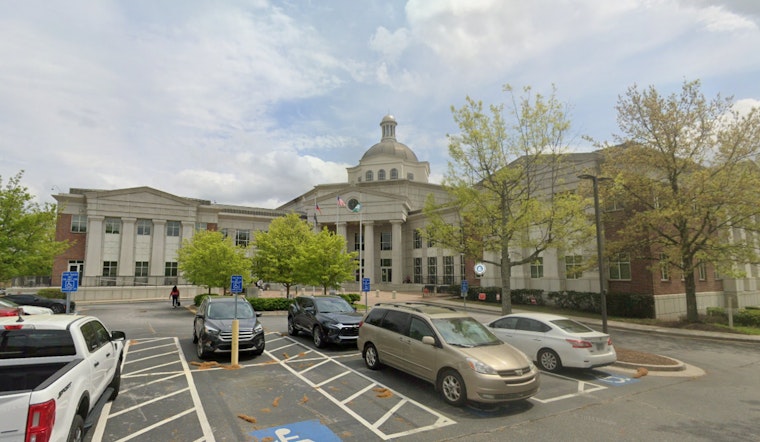
Property owners in Douglas County can hold onto a bit more of their cash this year, thanks to the Board of Commissioners' decision to lower the millage rate for the second time running. In a move that puts taxpayers' interests to the fore, the Commissioners trimmed the rate by .025 mills from the previous 12.313 mills to a new rate of 12.063 mills. This slim reduction will materialize as a savings of about $34 for a homestead exempted property valued at $350,000, as reported by Douglas County's official announcement.
Before the adjustment, Georgia law necessitated the computation of a recommended rollback millage rate of 12.081 mills to generate equivalent revenue, barring reassessments. Opting to go below that suggestion by .018 mills might just seem like a drop in the ocean, but for District 2 Commissioner Whitney Kenner Jones, it's more than a mere fiscal formality. "It’s weighing heavy on my heart. I don’t think in good conscience I could continue to recommend that we keep the millage rate the same," Kenner Jones highlighted in a moment of reflection before introducing the amending motion. "With that being said, I do think [taxpayers] need to see some tax relief, no matter how small that may be," she told Douglas County.
The millage rate influences how much homeowners pay in property taxes, and while a rollback may seem counterintuitive in a booming real estate market, it aligns with a fiscal vision that prioritizes citizens' financial relief. As Chairman Phil Miller put it, managing public funds comes with the responsibility of striking a fine balance. "We have to be good stewards of taxpayer money," said Miller. "It is a delicate balancing act. While it may mean some extra tightening of the County’s belt, I am willing to make those concessions in favor of the hard-working men and women of this community. Every little bit helps," Miller opined in the decision's support according to Douglas County statements.
The Douglas County BOC's recent history of rolling back the millage rate seems to be forging a path of continuity, conscientiously offering slight but meaningful financial reprieves for their constituents. This sustained pattern in tax policy indicates a consistent approach toward handling the funds entrusted to them by the public.




