

























































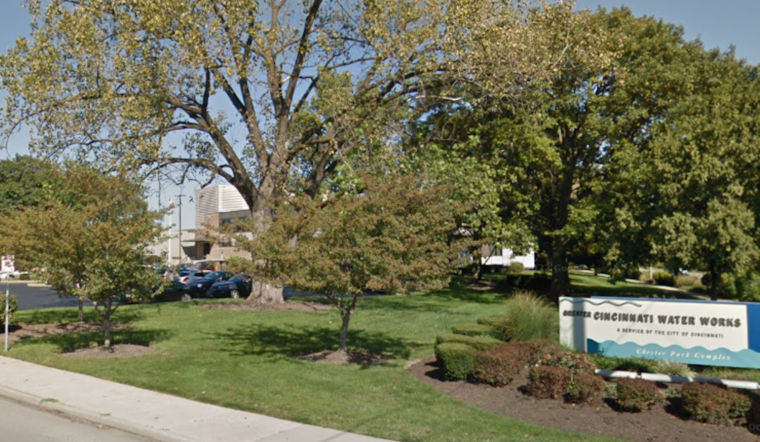
For thousands of Cincinnati residents, a soon-to-arrive letter from Greater Cincinnati Water Works (GCWW) might bring news of an unwelcome houseguest, lead water pipes. Starting September 2 and spanning over ten weeks, GCWW dispatches around 50,000 letters to property owners and renters as part of a federally mandated notification process spurred by changes in U.S. EPA regulations regarding lead in drinking water. These notifications will alert customers to whether their service lines are made of lead, galvanized steel, which can also harbor lead, or currently unknown materials, reported WCPO.
Encouraged by the federal government and armed with a responsibility to public health, the utility, which has been operating a lead pipe replacement program since 2016, embarks on this new chapter in its ongoing effort to phase out lead pipes. Approximately 35,000 properties are surmised to possess such outdated plumbing. GCWW began fully covering replacement costs in December 2021, a notable uptick from the city's initial 40% contribution. Despite this, uptake has been slow, with financial concerns, emotional ties to property, and skepticism of government initiatives figuring among the reasons. As mentioned in an article by Cincinnati.com, the new federal regulations, which take effect on October 16, prompt the push, with the utility now targeting an accelerated pace of 3,600 replacements per year.
The allocation of replacements will not operate on a first-come, first-served basis but instead will deploy an "equity tool" designed by the University of Cincinnati. This data-driven approach aims to prioritize the most vulnerable and impacted locations. As the Executive Director of Water Works, Cathy Bernardino Bailey, outlined in the Cincinnati.com article, the goal is "to go where we can get the biggest public health impact first." Therefore, special attention will be given to properties housing children, those experiencing pipe breakages, and neighborhoods slated for new water mains.
Contrary to a knee-jerk alarm, GCWW has emphasized that lead pipes do not pose an immediate threat, thanks to the protective chemical treatments in their water. However, their letters and website clearly articulate, "There is no safe level of lead in drinking water." The utility is forthright about the risks, especially to children who might suffer developmental setbacks and to adults facing potential cardiovascular and renal ailments, according to the statements made in the letters. With efforts to educate and motivate the public, community outreach and contractor recruitment are increasing, as Water Works' program manager Kevin Kappers highlighted to Cincinnati.com.


