

























































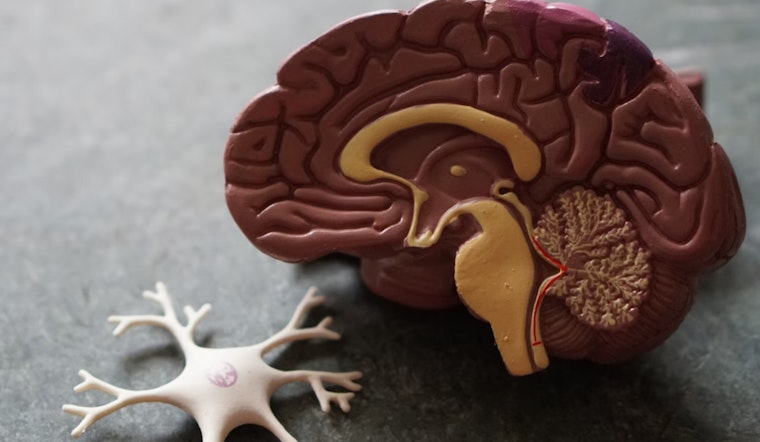
Exploring the intricate landscape of human biology, recent insights have emerged about the differences between men and women's brains and the impact on health. The Harvard Gazette spoke with renowned clinical neuroscientist, Jill Goldstein, to discuss what the latest science reveals on this topic. According to the publication, there is a distinct biological basis for sex differences in the brain that starts shaping up as early as fetal development.
Gender and sex, often conflated in public discourse, stand as separate entities – gender being the societal roles and behaviors and sex being the biological factor influencing our brain and body. Despite popular belief, research, as Goldstein points out, indicates that women’s brains exhibit robustness in several areas – a notion that scuttles the age-old myths concerning gender superiority and intellectual capacity. Coincidentally, chronic diseases often affect men and women disparately, suggesting that understanding brain differences is not just academic but a gateway to personalized medicine that could change lives.
An XY or XX chromosome set in fetuses is the primary driver behind the regulation of sex differences in brain development. Although differences within the same sex are often broader than those between sexes, the small disparities that do exist are significant. They play a crucial role in why disorders such as depression, autism, and Alzheimer's show sex-specific traits. "There are greater differences within women and within men than there are between men and women," Goldstein informed the Harvard Gazette.
Evidence suggests that brain regions may respond differently to hormonal changes across a woman's menstrual cycle. Women and men might emerge with similar behaviors despite differing brain activities, underscoring the complex nature of the brain's sex differences. "However, with knowledge of sex differences in the brain, one can account for these variations in a study’s design," Goldstein commented to the publication. This highlights the critical need for tailored research in the field of neurology and beyond, particularly as it pertains to crafting specific and effective treatments.
As our understanding matures, so too does the emphasis on incorporating sex differences into diagnostic and therapeutic strategies. The brain's versatility throughout the lifespan makes pinpointing these distinctions key to the development of precision medicine. While the journey of discovery continues, the impetus on elucidating these differences is ever-critical, pointing toward a future where healthcare is as individualized as the brains it seeks to heal and protect.





