

























































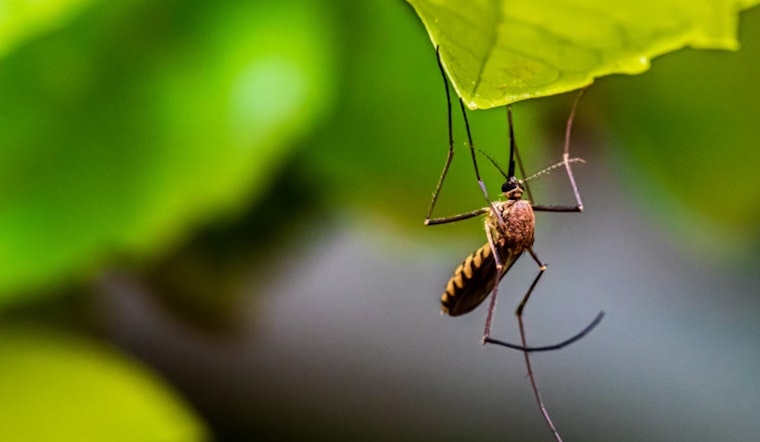
The Hawai‘i Department of Health has confirmed another travel-related dengue virus case on Oʻahu, which brings the year's total to an unsettling dozen. In an alert from the government, health officials stated that the cases have a global footprint—with sufferers picking up the virus in various countries notorious for higher incidences of the disease. While Oʻahu leads with eight reported cases, travel-associated dengue has also affected individuals on Kaua‘i and Maui, according to Hawai‘i Department of Health.
Officials are urging the public to aid in staving off any potential spread of the virus locally. Mosquito control and inspections are underway, a measure that's essential since local mosquitoes are capable of hosting the virus. Interestingly, despite these carriers, dengue hasn't set up shop endemically in the Aloha State. The Hawai‘i Department of Health reminds residents and visitors that prevention is paramount, especially in the wake of significant outbreaks in other parts of the world.
The Hawai‘i Department of Health announcement listed various regions currently experiencing dengue activity surges, including parts of Central and South America, Asia, the Middle East, Africa, and several Pacific and Caribbean islands. The travel health notices are a stark reminder for anyone traveling to or from these areas—they need to stay vigilant about protective measures to prevent dengue fever transmission.
Aside from the usual precautions suggested by the Centers for Disease Control and Prevention—like using EPA-registered insect repellent and wearing protective clothing—travelers should also review specific guidance on dengue risk for the countries they plan to visit. The Centers for Disease Control urges those returning from dengue-prone regions to continue to prevent mosquito bites for at least three weeks and to seek medical help promptly if symptoms develop.
Dengue's reach is not to be taken lightly, as its symptoms can escalate from mild to severe, involving fever, nausea, and body aches. Though recovery typically occurs within a week, severe cases can become life-threatening. With the approach of Tropical Storm Hone, Hawai‘i Department of Health is advising Hawaiians to remove any containers that could accumulate rainwater to interrupt the mosquito lifecycle. Highlighting the ease with which these pests breed, even in tiny amounts of standing water, the Hawai‘i Department of Health urges vigilance in keeping our environment unfriendly to mosquito populations.





