

























































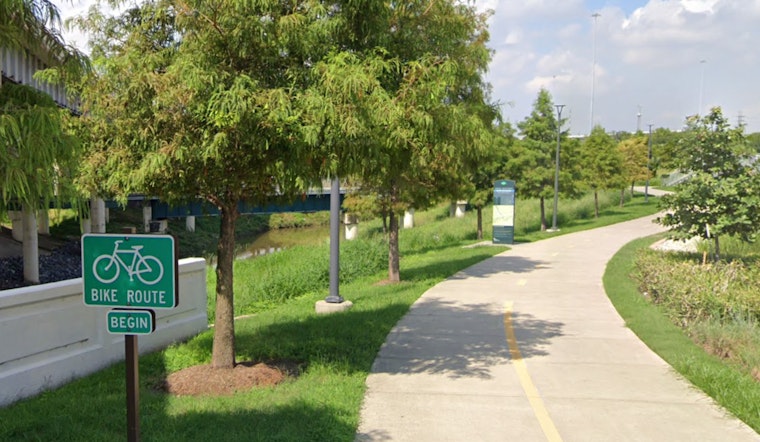
In Houston, the bike culture is getting a statistical boost and an enhancement in safety features along popular trails, thanks to efforts by local organizations aiming to promote cycling and pedestrian use in the city. BikeHouston, an advocacy group for cyclists, has strategically placed a new bicycle counter near the University of Houston-Downtown on the White Oak Bayou trail. The device, installed by the Houston Parks Board, records the number of riders passing by, assisting BikeHouston in demonstrating a concrete need for more comprehensive bike infrastructure.
"You can't prioritize what you don't measure," Joe Cutrufo, executive director of BikeHouston, told the Houston Chronicle, signalling an intent to challenge the way cyclists' needs are assessed, especially when decisions are based on traditionally-compiled data which may not fully capture the scale and diversity of bike usage in Houston; relying instead on the American Community Survey that overlooks non-commuting rides or infrequent bike commutes, potentially exasperating the city’s deep-seated car-centric approach to transportation planning.
Complementing the data-gathering initiative, the Houston Parks Board has laid down metal markers every quarter of a mile on the same trail, as part of a safety enhancement and wayfinding system. These markers, which will eventually span across all Houston bayous, are designed to help users pinpoint their location, assisting emergency services in locating individuals promptly should the need arise – this development especially important in areas subject to frequent flooding where traditional safety infrastructure like lighting may not be feasible.
Nicole Romano from the Houston Parks Board explained to Houston Public Media the significance of these markers as they play a vital role in the "wayfinding system for Bayou Greenways," integrating with a more extensive initiative to interconnect the city's waterways with a 150-mile network of trails while promoting safety, the markers thus lie at the intersection of utility and precaution – their eventual ubiquity to enhance user confidence across the expanding greenway network. The Bayou Greenways 2020 project is expected to complete next year, funded through municipal bonds and private contributions.
While only one bicycle counter currently stands, Cutrufo asserts BikeHouston's intent to extend this pilot project, having installed this first counter with resources from a grant by the Elkins Foundation, the height of civic understanding that channels need into tangible resources. With the Houston Parks Board aiding in the installation and buttressing resilience through solar arrays, both organizations hold a shared vision of a transformed Houston.



