

























































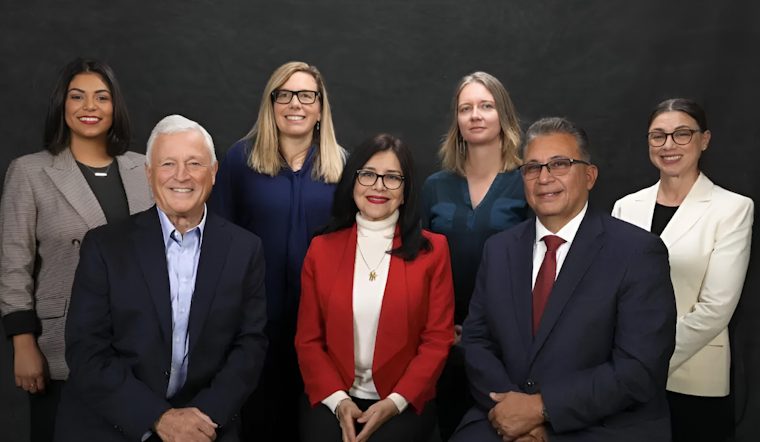
The Las Cruces City Council convened earlier this week to grapple with the realities of police oversight and urban strategy. On Monday, Srijana Basnyat and Mark Miller helmed a presentation that furnished the council with a snapshot of their City's Strategic Plan. The report highlights their recent collaboration with Envisio, a software platform designed to infuse greater transparency into the governmental process by providing a public dashboard. Fleshing out this framework of accountability, the City's Strategic Plan is a beacon, charting a course for resource distribution through the year 2026, embodying six fundamental themes including Public Safety and Environmental Sustainability, as detailed by the City of Las Cruces.
Walking the fine line between enforcement and ethics, the OIR Group, standing for their fourth year as the city's independent police auditor, delivered their findings. City Auditor Viola Perea introduced Teresa Magula and Stephen Connolly from OIR, who committed to rigorous standards and reviewed a total of eight cases closed by the Las Cruces Police Department's Internal Affairs from January to June 2024. It was revealed by Magula and Connolly that the level of accountability within the department has witnessed an upswing, more officers are recognizing and acting upon the imperative to flag potential misconduct.
Analyzed data strip away the veil from 23 unique allegations stemming from six external complaints; 14 were affirmed while others received various classifications ranging from "exonerated" to "unfounded." Moreover, the internal stream of vigilance mirrored these statistics, with 14 out of 17 unique allegations raised by LCPD employees against their ranks substantiated. "There is evidence of improvement by LCPD in identifying, addressing, and, where appropriate, remediating misconduct at all levels," Magula and Connolly said, as per the City of Las Cruces.
Extending their role beyond detached evaluators, in 2024, the OIR Group added a more personable touch by ushering in community outreach meetings after official work sessions. This fresh undertaking serves to stitch a more cohesive bond between the watchdogs and the policed, a movement indicative of a growing trend in policing nationwide. The OIR's methodology also crossed paths with civil litigation outcomes, scrutinizing the roles of 13 LCPD officers implicated in closed cases, and assessing the procedural acumen with which these legal narratives were closed.





