

























































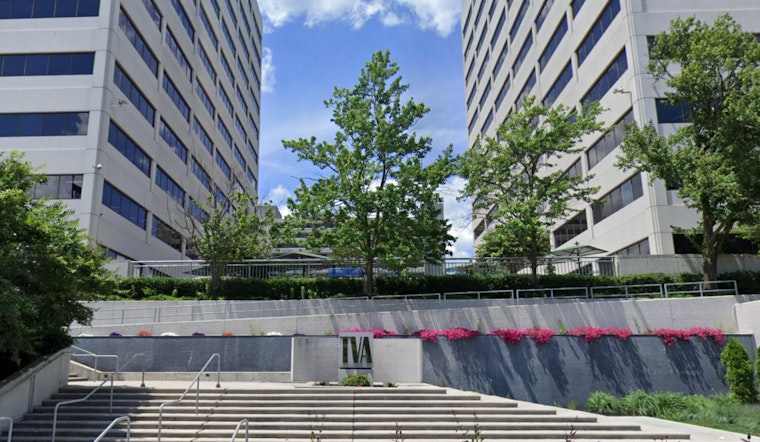
Memphis environmental organizations are raising red flags over Elon Musk's supercomputer project, urging the Tennessee Valley Authority (TVA) to reconsider supplying power to the artificial intelligence hub slated for the city. According to Action News 5, a letter penned by the Southern Environmental Law Center on behalf of local groups, including Memphis Community Against Pollution and the Sierra Club Tennessee Chapter, voices concerns about the possible environmental repercussions, citing worries about potential air and water contamination and undue strain on Memphis's electrical grid.
Leaders of the opposition, such as MCAP President KeShaun Pearson, have expressed dismay at the swift pace of the supercomputer's construction and the opacity surrounding its approval process, he said, "Worst case scenario for me has already happened," adding "best case scenario is we do something that stymies this process," in a statement obtained by Action News 5. The facility, tagged as Musk's "Gigafactory of Compute," necessitates a staggering 150 MW of power, a quantity sufficient to energize 100,000 homes in Memphis and Shelby County, consequently sparking fears that the community's power needs might not be met consistently, especially considering TVA's admission of existing grid reliability issues, as detailed by Memphis Flyer.
There's also a strong sentiment that the deal, which has been largely kept under wraps, bypassed crucial local oversight. The Memphis Flyer reports that the Memphis Light, Gas & Water (MLGW) CEO may have overstepped his role by approving the deal sans the knowledge of the MLGW Board or the Memphis City Council. As per the Memphis Flyer, MLGW is said to be considering significant subsidies for the supercomputer's infrastructure through ratepayer funds, which would include a "marginal allowance" to recoup some of the $24 million earmarked for a new substation.
Adding to the contention, environmental groups stress that the community should have the opportunity for input given the scale of potential impacts; there are fears that strain on local gas-powered plants, which rely on water from the Memphis Sand Aquifer, would not only increase air pollution but also imperil water resources vital to predominantly Black, low-income communities in South Memphis, according to insights shared by the Memphis Flyer. The thrust of these concerns anchors on the call for a comprehensive study into the supercomputer's environmental footprint before TVA makes any commitments to providing power, which would include analyses of the repercussions on air quality, climate change, water quality, and environmental justice, amongst other factors.
The collective mobilization against serving the xAI supercomputer is a reminder of the broader national conversation on the demands that data centers place on local utilities, with this Memphis episode reflecting a growing sentiment that community stakeholders seek a more transparent and inclusive dialogue around such technological undertakings. This narrative unfolds as grassroots resistance to the project burgeons, captured by publications like the Daily Memphian, reminding us that the intersection of innovation and infrastructure invites scrutiny and necessitates responsible stewardship.



