

























































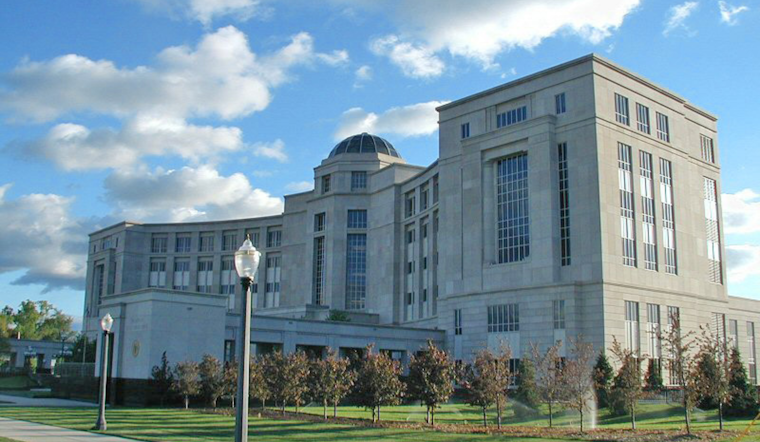
In a sweeping decision that could redefine the economic landscape of the service industry in Michigan, the state's Supreme Court recently struck down a 2018 legislative maneuver, drawing lines in the sand between workers and lawmakers. The controversial strategy, known as "Adopt and Amend," had initially seemed to appease activists pushing for higher wages but eventually maintained a 38% tip credit and delayed the minimum wage increase to $12 by 2030. Following the court's ruling, outlined as unconstitutional, the original timelines were reset, now accelerating the minimum wage to $12 plus inflation by 2028 and phasing out tip credits by 2029 according to CBS News Detroit.
As this policy shift looms, concerns over potential job cuts and altered earnings structures have galvanized a portion of the service sector. Hailey Jones, an employee at Sundance Grill & Bar in Grand Rapids, underscored her preference for tip-based income over a flat minimum wage, as per WZZM13, "Me, personally, I make more in tips than I would with minimum wage". This sentiment is echoed across the state, with 79% of servers fearing job cuts post-elimination of the tip credit, a statistic propagated through flyers at Sundance. State representatives are now engaged with workers to sculpt a practical response, with lawmakers from both sides eagerly sounding off on potential remedies.
At the very heart of the tipping system, is an intricate dance between customer and server, one where the dynamics of service and gratitude play out in real-time. The group Save MI Tips, advocating for the retention of tipping as a cultural and economic staple, emphasized the importance of preserving the current relationship between customers and servers. "Servers are starting to experience lower tips and that means lower income and there's a lot of fear they're going to lose their jobs", John Selleck, a spokesperson for Save MI Tips, expressed, per WHMI.





