

























































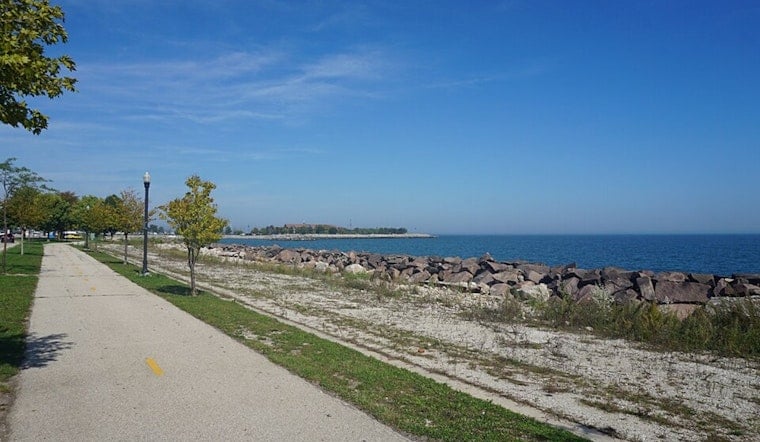
Mother Nature flipped the switch on Lake Michigan this week, turning what had been a comfortable swim into a full-on cold plunge. Wind‑driven upwelling shoved deep, icy water toward shore, dropping near‑shore temperatures from the upper 60s into the 50s or even colder in just a few hours. Lifeguards and state park staff at popular spots from Holland to Ludington described a sharp, sudden change that left swimmers shivering and plenty of visitors cutting their beach days short. Officials warned that sudden immersion in very cold water can provoke cold shock and raise the risk of hypothermia even on warm, sunny days.
At Holland State Park, staff reported the water temperature crashing to about 53 degrees. Hoffmaster State Park and Warren Dunes saw readings in the mid 50s after reporting upper 60s the day before, according to MLive. The outlet quoted park employees urging people to take frequent “beach breaks” to warm up because suddenly wading into cold water can be very dangerous.
Wind-Driven Upwelling Pushed Cold Water Ashore
The National Weather Service in Grand Rapids explained that persistent north winds can push warm surface water offshore and allow colder, deeper water to rise along the shoreline, a process called upwelling. Forecasters said the pattern can make near‑shore temperatures vary dramatically from one beach to the next, so one town’s “warm” beach may be frigid just a few miles down the coast.
Offshore Buoys, Beach Sensors Show Different Stories
That setup helps explain the sometimes conflicting readings: a buoy near Ludington and in‑shore sensors captured much colder values during the event while some offshore moorings showed warmer surface temperatures. MLive reported that a buoy off Ludington registered dramatically colder water yesterday, and real‑time observations from the National Data Buoy Center illustrate how quickly readings can change at stations such as the Ludington mooring (National Data Buoy Center station 45024). NOAA’s CoastWatch/GLERL sea‑surface maps also show how a narrow cold strip can extend for miles along the shore even while offshore waters remain warmer (CoastWatch/GLERL).
Michigan’s Department of Natural Resources reminded visitors that Great Lakes conditions can change rapidly and stressed the importance of obeying beach flags and posted warnings. The agency cites Holland, Grand Haven and Ludington as locations where currents and sudden wind shifts pose recurring hazards. The DNR recommends staying within designated swim areas, checking the flag system on arrival, and never swimming alone (Michigan DNR).
Once winds flip to a more southerly direction, temperatures can rebound quickly, with satellite and buoy feeds often showing the warm surface layer returning within days, according to NOAA GLERL’s CoastWatch. Officials say the smartest way to plan a Lake Michigan beach trip is to check local park updates, National Data Buoy Center readings, and the National Weather Service forecast so your beach day does not end with an unexpected, teeth‑chattering dip.



.jpg)