

























































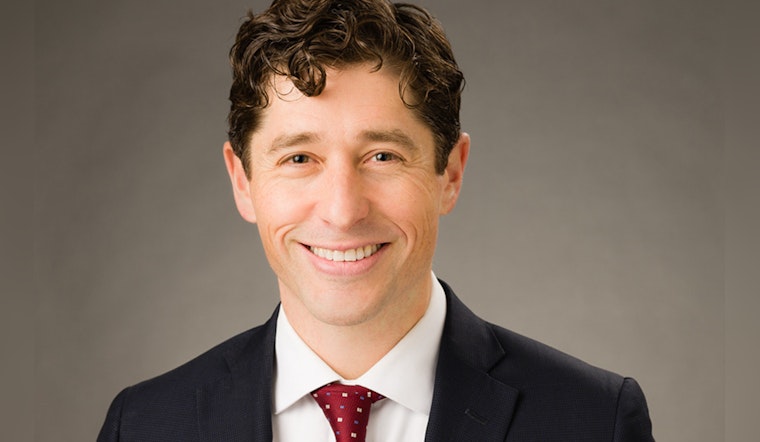
Minneapolis residents can brace for a property tax hike as Mayor Jacob Frey announces a proposed increase to an estimated 8.1%, aimed at bolstering the city’s budget for 2025-26, set to fund affordable housing, climate action, community safety, and more, as the City of Minneapolis reported. The recommended budget places significant emphasis on addressing key issues including homelessness, economic recovery, and implementing police reform, with an awareness of the structural deficit faced by the city due to rising costs and the necessity for reform.
Despite the financial strain, the city maintains its AAA bond rating, signifying economic stability and strong fiscal management, however, the specter of the levy increase casts a shadow as the budget poses direct impacts on the residents of Ward 11, with the potential rise in property taxes nearing $300 annually for median homeowners, this figure drawn from the city's Payable 2025 Levy Impact Estimator which lays out the granular impact of the proposed financial plan, as per the City of Minneapolis. The structural deficit challenging the city's budget bleeds from multiple realities including the costs entailed in reforming systems, the increase in staff-related expenditures, and a slight dip in property valuations, dynamics stirring a concerted effort by members of the council like Emily Koski, who represents Ward 11, to advocate for fiscal prudence and community priorities amid the subsequent budget adoption and public deliberation stages.
Enhanced civic engagement is expected as Minneapolis gears up for the Board of Taxation and Estimation's public hearing to determine the taxation ceiling followed by a series of open council briefings, with the full schedule yet to be published, updates on which will be provided through future newsletters to the Ward constituents as the public feedback loop completes its circuitry. According to the City of Minneapolis, Open Streets Minneapolis relaunches its 2024 series on August 24 offering residents a platform for cultural expression and local togetherness in the absence of vehicular intrusion, a celebration of various neighborhoods each bringing its flair to the public streets.
Simultaneously, preparations for interscholastic organization ramp up with the approach of the academic year, reminding caregivers of the critical need to verify children's immunizations—a pressing concern as Minneapolis Public Schools note nearly 40% of enrolled children lagging on vaccinations—a health imperative highlighted during National Immunization Awareness Month which echoes the city's broader embrace of public wellness initiatives including its mental health support for young people via Hennepin County resources.




