

























































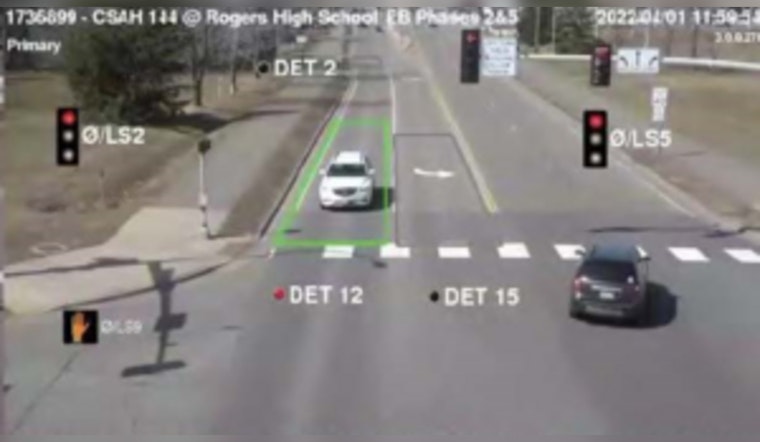
Signal detection at intersections is moving beyond the traditional in-pavement sensors with new research assessing alternative technologies. In Minnesota, where 90% of intersections use actuation systems, the focus is on finding cost-effective methods that are also effective in recognizing smaller vehicles and vulnerable road users, such as pedestrians and cyclists. This effort to modernize vehicle detection systems comes with tailored recommendations for cities and counties to align with their local budgets and conditions, according to information released by the Minnesota Department of Transportation (MnDOT).
Contemporaneously, the redesign of roadways is influencing driving behaviors. Research indicates that road features like medians, roundabouts, and two-way left turn lanes may prompt drivers to decelerate, potentially augmenting safety for everyone on the road. This challenges the traditional model of setting speed limits based on the 85th percentile of driver speeds, and instead, emphasizes a 'Complete Streets' vision that prioritizes collective safety. Road design is an influential factor in speed management and subsequently, safety, as outlined in the same MnDOT statement.
Additionally, concerning roundabouts, there's the notion that they could be problematic for commercial vehicles—but data says otherwise. Reviewing crash data from nearly 300 roundabouts, researchers found that commercial vehicles experience fewer crashes in roundabouts than at traffic-light-controlled intersections, despite some concerns regarding vehicle rollover risks. These findings are vital for MnDOT, having already modified roundabout design guidelines in 2018 to better accommodate large vehicles, the department indicated.
On a related note, the concept of mini-roundabouts has been introduced to create more manageable intersections without the need for the larger footprint of conventional roundabouts. A new "Mini-Roundabout FAQs" guidebook is expected to chronicle the select circumstances for implementing these compact designs, and an upcoming webinar hosted by Apex Engineering Group promises to elucidate this guidance, the department also announced in their recent update.
Climate resilience constitutes another area of MnDOT's focus, with a new pavement saturation prediction model designed to withstand increased heavy rain events—a consequence of Minnesota's rapidly warming climate. With infrastructure durability at stake, this model allows for the evaluation of vulnerability and the strategic reinforcement of the state's pavements.
MnDOT’s drive for excellence has not gone unnoticed. Sheila Hatchell, the department's library director since 2007, was honored with the 2024 Professional Achievement Award by the Special Libraries Association for progressively enhancing digital services and expanding the resourcefulness of MnDOT's library. MnDOT's commitment to innovation and public service continuity is mirrored by accolades for outstanding research, ranging from snowplow operation systems to the impacts of autonomous vehicles. All while the somber reminder looms that pedestrian safety remains a pressing issue, with research partnership awards commemorating collaborative efforts to curb pedestrian accidents and fatalities, as reported by MnDOT's latest studies.





