

























































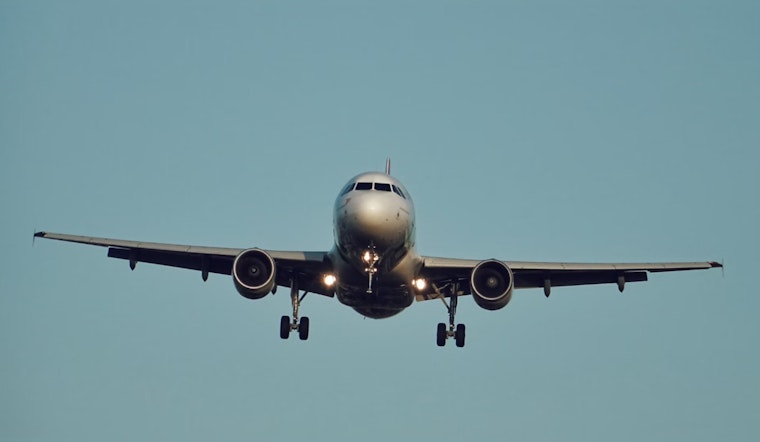
Globally, fears of flying are commonplace, yet according to a new MIT study, the dangers are continually on the decline. The research indicates a significant uptick in commercial airline safety over time, where the risk of fatality per passenger boarding has dropped from 1 in every 7.9 million in 2008-2017 to 1 in every 13.7 million between 2018 and 2022.
"Aviation safety continues to get better," Arnold Barnett, an MIT professor and co-author of the study, told MIT News. The trend in air travel safety is a promising one, showcasing an approximate 7 percent annual decline in the risk of dying during an air journey. Despite this optimistic trend, caution remains critical as recent near-collisions and runway incidents in the U.S. highlight ongoing challenges.
The COVID-19 pandemic introduced a new variable, with the study estimating that, in the pre-vaccine phase of June 2020 through February 2021, approximately 1,200 U.S. deaths were associated either directly or indirectly with COVID-19 contracted during air travel. Furthermore, around 4,760 global deaths between March 2020 and December 2022 were linked to the transmission of the coronavirus on airplanes.
Methodologically, researchers, including Barnett, used data from reputable sources such as the Flight Safety Foundation and the International Air Transport Association to chart fatalities during normal airline operations. The study divides the world into three tiers based on their commercial air safety records, revealing that for countries in the least safe tier, there were 36.5 times as many fatalities per passenger boarding in 2018-2022 as in the safest tier.
For travelers, the improvement in safety statistics is striking. Over the decades, the risk has decreased from 1 per 350,000 boardings in 1968-1977 to the current rate, as outlined by Barnett's figures. These advancements are attributed to a combination of technological innovations, training, and diligent oversight by air safety organizations. Despite COVID-19's impact, the trend in reducing accident-related fatalities, especially in the world's leading nations for air safety, remains noteworthy. "After decades of sharp improvements, it’s really hard to keep improving at the same rate. And yet they do," Barnett concluded in his conversation with MIT News.





