

























































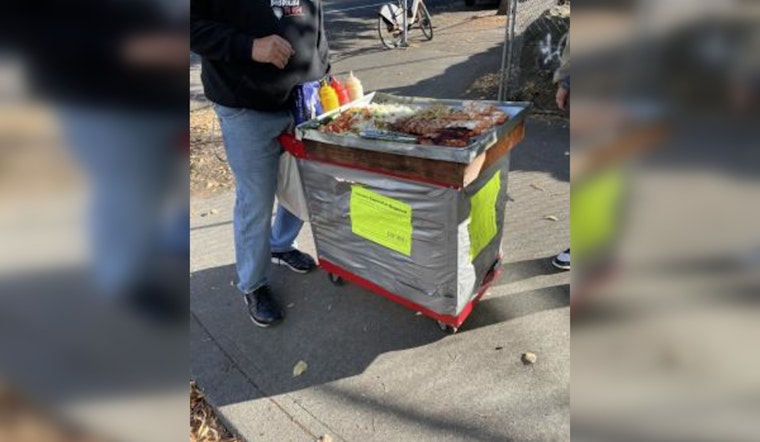
As Portland gears up for a major weekend packed with events, the Multnomah County Health Department has issued a cautionary statement, urging locals and visitors to steer clear of unlicensed food carts and street vendors. These unlicensed operators have raised flags for bypassing essential inspections and permits, thus posing potential public health and safety risks.
Last summer marked a noticeable upsurge in rogue red push carts, fixated on selling hot dogs in the city's bustling event spaces and bar-heavy locales—often sidling up on sidewalks or commandeering closed roads. All the while, these operators have eluded the vigilant eyes of Health Department inspectors, shrouding the true nature of their food storage and preparation practices, according to Multnomah County Health Department. Lacking in basic necessities such as proper food handling equipment, clean water, refrigeration, and even handwashing facilities, these carts leave much to be desired in terms of food safety standards. Furthermore, the unorthodox way of using fuel sources to cook up their offerings plays right into the hands of potential fire hazards.
Interim Environmental Health Director Jeff Martin underlined the magnitude of the situation, stating, "We’re asking people this weekend to support your local licensed food vendors." Martin's comments point towards a greater scheme of fostering public health while simultaneously helping small businesses thrive in Portland's vibrant food cart industry.
It's important, especially for consumers wading through Portland's rich tapestry of street food options, to identify licensed mobile food vendors by their County-approved health permit, which should be conspicuously displayed. When in doubt, don't hesitate to inquire with the vendor directly about their license status. This caution comes on the heels of the Health Department's crackdown on four vans, festooned with out-of-state plates, which were caught dispatching unlicensed vendors and their carts in proximity to local venues. Despite the Department's numerous pleas for compliance and engagement through educational materials and multilingual inspectors, these same vendors seem to have dodged the lawful course of action, defiantly covering up "Unlicensed" stickers meant to inform the public—a move that not only endangers consumers but also the legitimate local entrepreneurs trying to earn an honest living.
The saga of the unlicensed vendors is not unique to Portland, as jurisdictions in Washington and California have reported similar incidents. These out-of-state operations undermine local regulations and jeopardize the public's health, a concern taken seriously by authorities. "There is a legal way to operate a mobile hot dog stand: Obtain a temporary license from the Health Department," Martin emphasized, highlighting the legal avenues available for those wishing to partake in the mobile food market without flouting safety protocols or undermining consumer trust.





