

























































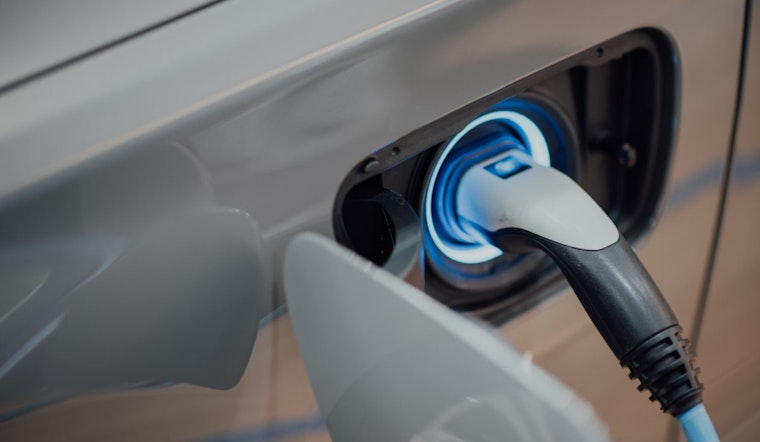
Nashville's road to a greener future just got a $4.7 million boost from the federal government, dedicated to enhancing the city's electric vehicle (EV) charging network. The investment, announced by the United States Department of Transportation (USDOT) and the Federal Highway Administration (FHWA), aims to reduce "range anxiety" among EV drivers and expand the public's access to charging infrastructure.
The funding is sourced from the Charging and Fueling Infrastructure Discretionary Grant Program (CFI Program) and was secured through a combined effort by Mayor Freddie O’Connell’s Office, the Department of General Services, and the Nashville Department of Transportation and Multimodal Infrastructure (NDOT). It's designed to strategically increase the number of EV charging locations in publicly accessible spots, working in tandem with Nashville Electric Service (NES) to power these sites. "Thanks to this grant from the Biden-Harris administration, we have the opportunity to give those choosing to drive EVs more convenient public charging options," Mayor O'Connell told the Nashville Government.
The initiative, dubbed the "Electrify MUSIC City Project," not only aims to double the number of charging stations but also to place 63% of these in historically under-invested areas. According to the announcement, there will be a total of 78 dual-port chargers spread across 34 locations in Davidson County.
To further encourage the adoption of EVs and eco-friendly transportation habits, some charging stations are proposed to be strategically placed at or near major transit hubs, aligning with the city's broader sustainability goals. "Nashville will use the $4.7 million from the Charging and Fueling Infrastructure Grant Program to upgrade and install EV infrastructure in convenient and publicly accessible locations across the county," Kendra Abkowitz, Senior Director of the Mayor’s Office of Sustainability and Resilience, said in a statement to the Nashville Government.
The infrastructure overhaul isn't just about new installations; it includes maintenance of existing EV charging infrastructure as well. With an anticipation of 200,000 electric vehicles on Tennessee roads by the year 2028, Gerald C. Smith Sr., the Director of the Department of General Services, noted the significance of providing alternative fueling options for community members. "This investment propels Metro’s electric vehicle charging infrastructure forward, replacing outdated equipment and expanding service," he told the Nashville Government.
The federal funding is a stride towards sustainable progress, signaling a commitment from USDOT and FHWA to foster a high-quality, environmentally conscious network that caters to the mobility needs of Nashville residents and its visitors alike. "I couldn’t be more thrilled to get started on this important work of adding essential green transportation infrastructure all across Nashville," NDOT Director Diana Alarcon expressed to the Nashville Government.





