

























































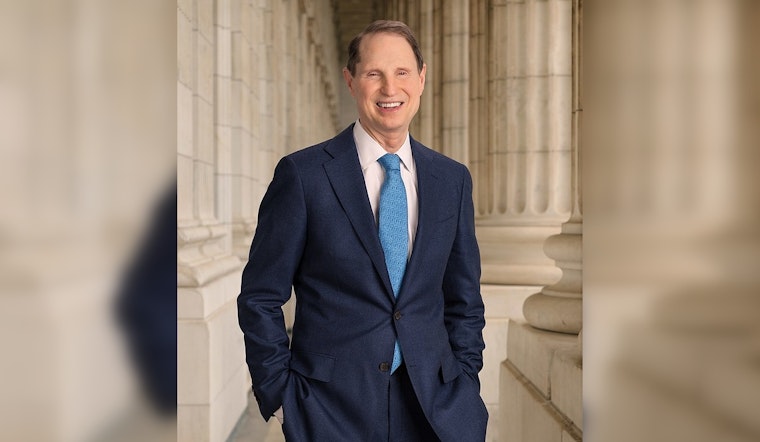
Senator Ron Wyden of Oregon and Representative Pramila Jayapal of Washington state are adding their weight to the legal battle against the proposed merger between two grocery giants, Kroger and Albertsons. Citing severe concerns over consumer welfare, workforce stability, and industry concentration, the lawmakers spearheaded a congressional amicus brief in support of the Federal Trade Commission's request to halt the merger, according to a statement on Wyden's official Senate webpage. The brief, backed by over two dozen Congress members, urges the Federal District Court for the District of Oregon to grant the FTC's pursuit of a preliminary injunction.
Senator Wyden emphasized that the merger poses direct threats to consumers and their access to essential goods and services. "A Kroger and Albertsons merger will mean higher prices and an even tougher time finding a pharmacy," Wyden said, noting the necessity to shield Oregonians' ability to afford and access food and healthcare. The group, which includes Representatives from various states, argues that the mega-merger could dramatically reshape the grocery landscape, leaving consumers with climbing costs and pharmacies that are harder to come by.
Concerns also surge around the wellbeing of workers, with Jayapal ringing alarms on the scale of the impact, particularly in her home state. "In Washington State alone, 124 grocery stores will be sold off if this merger goes through – including nearly 70 in the greater Seattle area," Jayapal stated. The merger, as critics contend, would potentially result in fewer options for shopping, the creation of food deserts, and inevitable layoffs, which might disproportionately affect unionized employees. This predicted outcome leverages grounds for the FTC's legal challenge that stands against the Kroger-Albertson's merger, as the FTC fears the deal would stifle competition and contribute to lower product quality and higher prices.
Supporting this fear is precedent; after Albertsons merged with Safeway in 2015, consumers witnessed store closures and rising costs. This potential consolidation of Kroger and Albertson's sparks alarm as a continuation of a worrying trend in the supermarket industry. Over the past quarter-century, the United States has seen a one-third reduction in the number of grocery stores, boosting the influence of large chains over independent grocers and small farms. This movement toward fewer, bigger players sees communities often left grappling with the stark reality of fewer choices and higher prices. The congressional brief, signed by multiple lawmakers, including Senators Maria Cantwell, Jacky Rosen, and Elizabeth Warren, pins this as more than a local issue, but as a harbinger of growing monopolistic tendencies within the vital industry of food retail.
The case currently resides in the Federal District Court for the District of Oregon. There, the fate of nearly 100,000 unionized grocery workers hangs in the balance, along with consumer choice in what has become an increasingly centralized market. While the FTC strives to protect workers and consumers alike through federal legislation that preempts mergers with detrimental employment effects, especially for unionized workers, the court's decision remains pivotal.





