

























































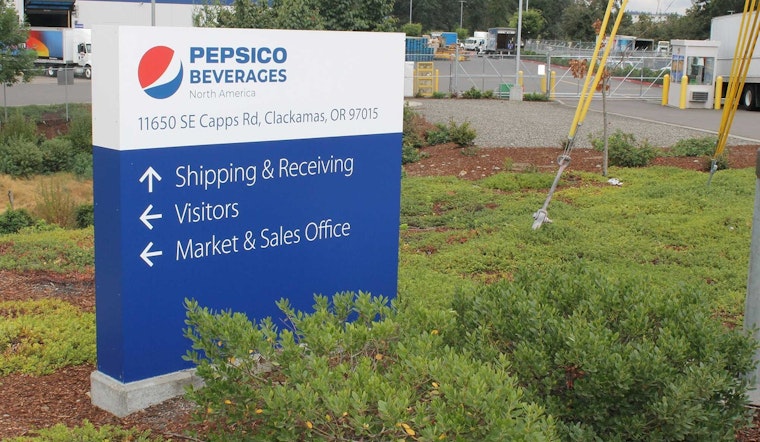
In Clackamas, Oregon, PepsiCo's stormwater management efforts are making waves. This distribution facility is setting a new standard for environmental stewardship in the county, as detailed in a recent report from Clackamas Water Environment Services (WES). A meticulously maintained stormwater pond in a grassy field beside the warehouse is designed to capture runoff, mitigate flooding, and enhance the quality of water that eventually reaches the Clackamas River.
The PepsiCo facility, spanning 126,000 square feet, includes office space overlooking the river, a walk-in cooler and freezers, twelve dock positions, and 47 trailer parking stalls. It exemplifies how corporate structures can integrate environmental care into their operational philosophy. This stormwater pond is a strategic asset in the fight against pollution, crucial because everything from dirt to chemicals on the ground can be swept into the watershed.
PepsiCo earns high marks for its proactive maintenance where WES reveals the company goes above and beyond the typical stormwater management practices—cleaning storm drains quarterly instead of annually, which ensures cleaner water flows into the Clackamas River, while also utilizing storm drain filters and absorbent booms to catch pollutants. These efforts reflect a responsiveness to the fragile symbiosis between industry and nature.
Erica Pyun, Sr. Sales Manager at PepsiCo, Inc., highlighted the company's commitment to sustainable stormwater management in an interview, stating, "When it comes to stormwater management, we strive to ensure every facet of our operation is in line with sustainable principles and industry best practices," according to a report by Clackamas WES. Trucks are integral to their operation heavy and frequent washing and refueling activities have the potential to pollute, so precautions such as blocking storm drains during these activities are undertaken to prevent contamination.
Through approximately 100 annual inspections of private stormwater systems, WES aims to foster a culture of watershed care throughout Clackamas County, prioritizing sites that could benefit most from improved water quality practices; they draw on exemplary cases like PepsiCo to encourage more holistic environmental considerations among local businesses. For more information on how to develop a stormwater management plan and insights into WES’ Watershed Protection program, the full WES report and resources can be accessed through their website.





