

























































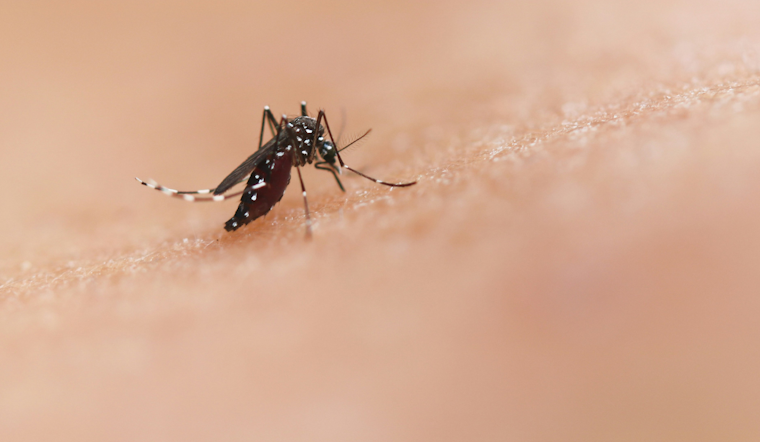
In a measured response to the continued detection of West Nile Virus in local mosquitoes, the Allegheny County Health Department (ACHD) is moving forward with plans to carry out pesticide treatments in several Pittsburgh neighborhoods and surrounding boroughs. The initiative, set to commence the week of August 19th, will see the deployment of Zenevex E20, an EPA-classified low-risk insecticide that poses no significant threat to humans or pets. As detailed by Allegheny County's recent press release, the areas slated for treatment and the use of truck-mounted Ultra Low Volume (ULV) sprayers aimed at curbing the pesky insect population.
Specific boroughs such as Leetsdale, Edgeworth, and Sewickley, along with the Pittsburgh neighborhoods of Brighton Heights and Marshal-Shadeland, are on the list for Monday, August 19th, with subsequent treatments scheduled for Thursday, August 22nd, targeting areas including California–Kirkbride, Manchester, and the historic Mexican War Streets. Should the weathermen forecast rain for those dates, plans to reschedule the sprayings for the immediate following evenings are in place. With two confirmed human cases of the virus within the county this year, these measures are a critical part of the ACHD's strategy to protect public health.
West Nile Virus represents the foremost mosquito-borne illness in the U.S., and residents have been cautioned about risks associated with mosquito bites. The ACHD reiterates that while the majority of those infected might remain asymptomatic, a small percentage could experience severe symptoms. Municipal officials and health experts are encouraging residents to equip themselves with insect repellent and consider protective clothing, especially during the times of dusk to dawn when the type of mosquitoes carrying the virus are most active. The ACHD also emphasizes that there is a dearth of vaccines or targeted medications for West Nile, advising those who suspect infection to seek medical advice.
To report potential breeding grounds, the public can use an online form or dial 412-350-4046. More information on prevention and symptoms is available on the CDC's West Nile Virus webpage.





