

























































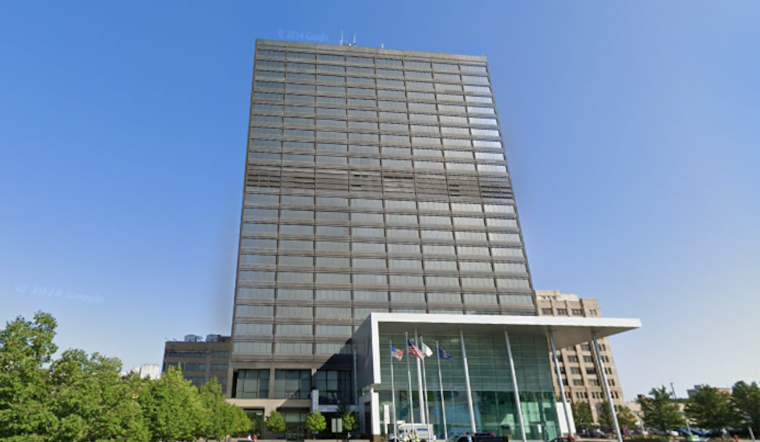
DTE Energy, the Detroit-based utility giant, is once more under public scrutiny after requesting a $450 million rate increase from the Michigan Public Service Commission (MPSC). The request, which if approved, would mean a 10% hike in electricity rates for customers comes at a time when many are already grappling with the financial pressures of inflation. This has sparked protests in front of DTE Headquarters, spearheaded by activists and a Pontiac city councilperson, where residents have voiced concerns over what they perceive as prioritizing shareholders' interests over reliable and affordable service for customers, as reported by CBS News Detroit.
Among the disenchanted, Tomena Rawls-Byrd, a resident of Redford Township, expressed her frustration with the lack of reliability in the current power grid and her outrage at yet another potential rate hike. "Absolutely ridiculous; [DTE] want constant increases," Rawls-Byrd said, as per CBS News Detroit. It was only in December of 2023 that MPSC approved a $368 million rate increase for DTE, an action which seemingly has left some customers, and elected leaders unimpressed with any subsequent improvements to service reliability.
The protests come in conjunction with concerns from Michigan Attorney General Dana Nessel, who believes that DTE should be granted no more than a $139 million increase and that these funds should be directed toward tree trimming rather than high-tech investments favored by DTE. According to FOX 2 Detroit, Nessel voiced her opposition to these rate increases, accusing DTE of spending millions on political donations and advertising, rather than directly supporting the improvement of its services.
For its part, DTE has defended the proposed rate hike as a necessity for building a smarter, stronger, and more resilient grid by 2029. The utility highlighted its commitment to reducing power outages and ensuring affordability, stating, "We’re focused on improving reliability across our service territory – reducing power outages by 30% and cutting outage time in half by 2029", as reported by Michigan Public. However, this announcement does little to assuage the concerns of many customers, who believe that the true beneficiaries of such hikes are the shareholders, not the communities whose power is meant to serve.





