

























































San Leandro-based startup MightyFly is reaching new heights in the aviation sector with its ambitious project to build drones that could significantly reshape the cargo transport landscape. These aren't your average hobbyist flyers. The company's latest drone, the 2024 Cento, is a structure rivaling the size of several cars combined, capable of autonomous flights covering a distance of up to 600 miles. Founded by the visionary Manal Habib, a former NASA intern and aviation industry veteran, MightyFly received the Federal Aviation Administration's approval for a special flight corridor between New Jerusalem Airport in Tracy and Byron Airport in east Contra Costa County.
According to Silicon Valley, the company aims to cater to manufacturers, health care providers, and even the U.S. Air Force, with its high-capacity, hybrid-powered drones designed to leave a smaller carbon footprint than traditional shipping trucks. MightyFly's craft utilizes a combination of electric and conventional fuel to extend its range without requiring frequent recharging, a crucial factor in long-distance cargo delivery.
As per Silicon Valley, Habib framed the change as positive in the face of potential disruption to transportation jobs, indicating that "With autonomous airplanes, you’re creating a lot of jobs on the back end." Further distancing the company from the defense sector, she emphasized that MightyFly is not aiming to become a defense company but focuses on logistics and expedited delivery services.
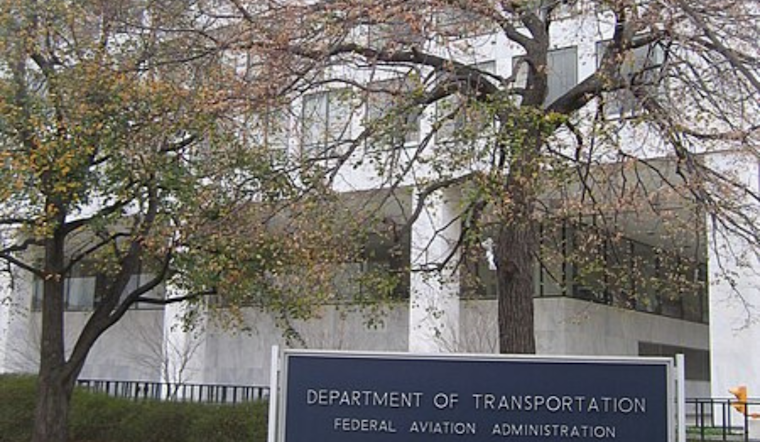
MightyFly's progress isn't just in concept; evidence of their strides came with the FAA flight corridor approval for testing the 2024 Cento. This regulatory milestone allows testing beyond the visual line of sight (BVLOS) and positions the company on the cutting edge of the eVTOL (electric vertical takeoff and landing) market. "We are thrilled to publicly announce that we are the first large autonomous cargo eVTOL company to receive a flight corridor approval from the FAA", Habib said, as per the MightyFly's press release, showcasing the company's confidence in its technology and regulatory relationship.




