

























































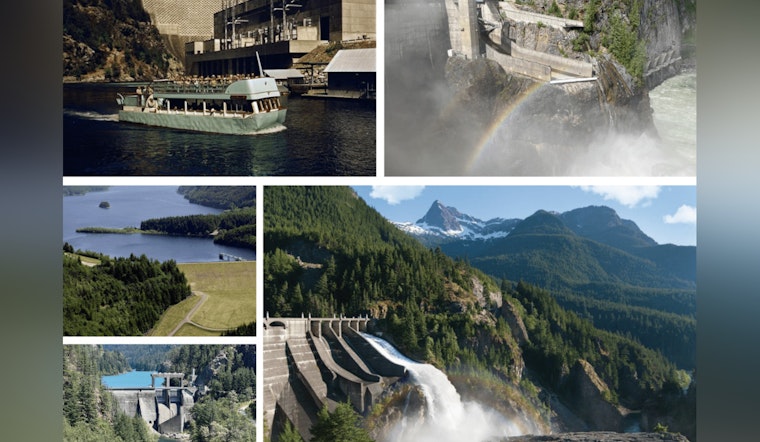
Seattle takes a moment on August 24 to recognize a critical component of its energy infrastructure, as National Hydropower Day pays homage to a renewable energy source that's been lighting up the Pacific Northwest for more than a century. According to a recent post by Seattle City Light, Washington stands as the nation's top hydropower producer.
Since 1902, Seattle City Light has harnessed the power of water to meet the city's energy needs, and continues to do so with its hydroelectric system that's central to their operations. Despite being a reliable source of power, the system isn't exempt from the challenges posed by fluctuating rainfall and snowpack conditions. They've had to carefully strategize to constantly provide electricity, even when water levels are low, which highlights a need to creatively balance reservoir management.
The energy produced by Seattle City Light's hydro facilities represents a significant portion of the power needs for its customers. As described by Seattle City Light, hydropower is a cornerstone of the renewable energy landscape, due to its capacity to consistently churn out electricity without relying on sun or wind. This stable power generation is essential for maintaining a balanced grid and meeting the region's rising demand for electricity, especially as the society pushes toward more electrification.
Despite its benefits, hydropower is not without its tribulations, especially when facing drought or decreased snowpack. However, informed by advanced forecasting tools, Seattle City Light strategically has to work around these limitations, maintaining hydropower's reputation as a robust and flexible energy source, even in challenging conditions.
On National Hydropower Day, Seattle City Light not only recognizes the past contributions but also looks ahead, preparing for the implications of extreme weather and temperature changes on energy supply. The utility company emphasizes the adaptability of their hydropower system, likening it to a "giant battery" that stores potential energy and can quickly ramp up production in response to peak demand, as mentioned by the Seattle City Light.





