

























































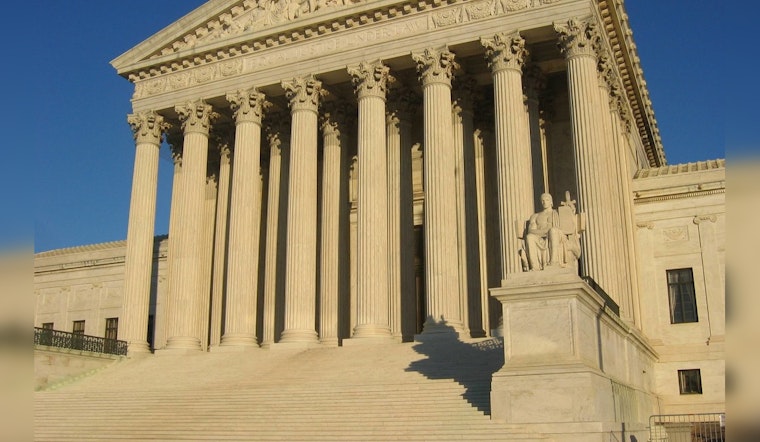
The legal landscape for political figures facing corruption charges has shifted unpredictably following a Supreme Court decision that overturned the bribery conviction of former Portage Mayor James Snyder. According to the highest court, what was deemed a bribe in Snyder’s case is now interpreted as a mere "gratuity", stirring speculations on the repercussions for similarly weighed cases, including those shadowing the Chicago political sphere, as per WGN-TV.
After the Supreme Court tagged the $13,000 payment to Snyder from Great Lakes Peterbilt as a post-transaction gratuity rather than a premeditated bribe, the former mayor’s legal team is pushing for a dismissal with prejudice, aiming to eliminate any possibility of a redrawn battle in court. On the flip side, federal prosecutors hold their ground, firmly believing Snyder should face another trial, as reported by the Chicago Tribune. They maintain that the evidence supporting both bribery and gratuity charges at the original trial withstands the top court's interpretation.
This divide opens up a contentious dialogue on the limits of corruption law, with former federal prosecutor Pat Brady suggesting, "the court was concerned that innocent acts may be turned into criminal acts," as noted in his outlook provided to WGN News. The high court's decision narrows the scope of what constitutes a bribe, adding layers of complexity for future prosecutions and potentially impacting high-stakes cases such as Illinois House Speaker Michael Madigan's looming involvement in the "ComEd Four" scandal.
As political analyst Paul Lisnek pointed out in a WGN News segment, the ruling leaves judges and prosecutors to reassess existing verdicts and charges in the wake of this reinterpretation of Section 666. Madigan, who faces 23 counts, with five tethered to the controversial statute, might see a trimming down of his charges if prosecutors opt for the path of least resistance.





