

























































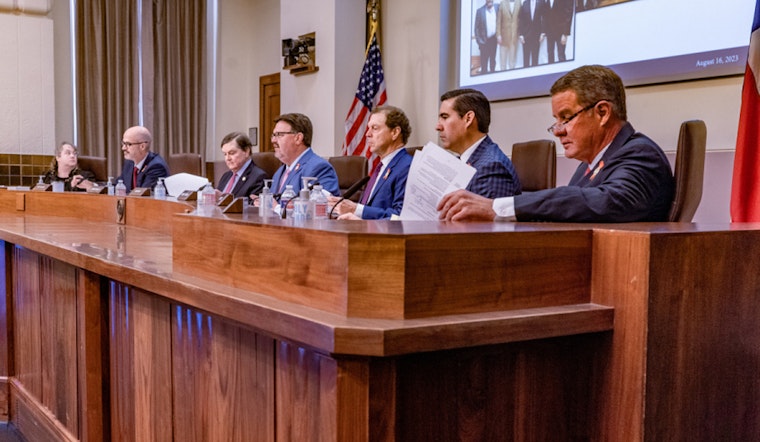
The Texas Transportation Commission is steering the state toward a connected future with its latest meeting on July 30, 2024. The commission adopted the "Connecting Texas 2050" long-range transportation plan—an ambitious blueprint designed to define and guide transportation priorities across the state through mid-century. According to a statement obtained by TXDOT, the plan builds on public feedback collected since 2022, focusing on safety, alternative modes of travel, and maintenance of existing infrastructures, reflecting a shared vision for Texas’s transportation evolution.
As part of the Commission's push to effectively transform the transportation landscape, more than $39 million in state and Federal Transit Administration program funds were approved to be distributed. Designed to breathe new life into 38 small urban and rural areas, 22 lead planning agencies, and 16 coordinated calls for projects, the funding represents a slice of a larger $156 million pie that will be disbursed over the next year. Funds are earmarked for an array of enhancements, including updated facilities, fleet expansions, intercity connections, and the rollout of new services.
In matters of maritime progress, the Commission turned its gaze to the Ship Channel Improvement Revolving Fund (SCRIF), a financial pool to support the expansion and deepening of Texas's federally authorized ship channels. The Sabine Neches Navigation District has made a move to secure a $357 million SCRIF loan to widen the Sabine Neches Waterway, with a decision from the Commission expected to dock at their August meeting.
Moving inland, the Commission's agenda also carved out space for considerations of the 2026-2027 Legislative Appropriations Request, eyeing an increase that would inflate their full-time positions to 13,458—an uptick of 301 from the previous period. Contractually, a hefty $1.4 billion was shelled out for 60 highway improvement ventures, while $86 million was set to maintain the status quo with routine maintenance, and $14 million to construct and rehab one building—all critical movements in the perpetual flow of transportation progress.
Meanwhile, the state highway system's ownership has taken a turn with the approval of a change in ownership for State Highway 288 Toll Lanes in Harris County. The transition involves the Texas Transportation Commission and the Texas Transportation Finance Corporation shelling out an early contract termination fee to Blueridge Transportation Group. This strategic move was designed to grant TxDOT the capability to add toll-free lanes to the SH 288 and navigate away from the present concession agreement's restrictions. The Commission's strategy leverages the flexibility of a Commission-created transportation corporation to better pursue these initiatives.





