

























































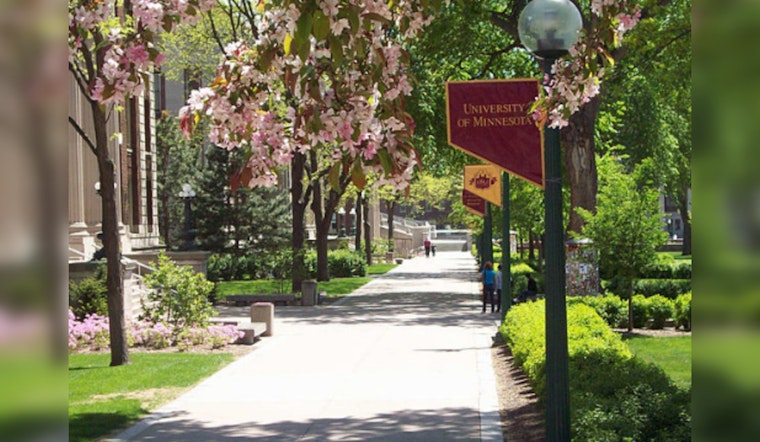
According to a study from the University of Minnesota, the lush lawns and friendly dogs of Twin Cities residents are contributing to a concerning effect on the local water quality. Nitrogen and phosphorus, important nutrients that in excess can lead to harmful algal blooms, are entering the Mississippi River due to common suburban practices. The report highlighted household fertilizer and pet waste as primary culprits.
With households reportedly using "10 times the amount of commercial fertilizers used by golf courses and college campuses in the Metro," the study prompts residents to reconsider their lawn care habits. As the City of Blaine website suggests, a soil test may reveal that your lawn doesn't require as much fertilizing as you think. For $20, the university offers a detailed analysis that might help dial back on nitrogen levels leaching into local waterways. Part of the solution also lies in leaving grass clippings on the lawn, which can recycle the nutrients back into the soil.
Equally important in the fight against excess phosphorus is the management of pet waste. Despite being "organic," dog feces is a significant source of E. coli bacteria and contains phosphorus. The Coon Creek Watershed District points out that, with dogs producing over "200 pounds of waste per dog per year," proper disposal, even in the privacy of one's yard, is pivotal to preventing runoff into local water systems, as per the City of Blaine. Seemingly innocuous acts, like leaving pet waste unattended in the backyard, can have repercussions flowing into streets and eventually creeks and rivers.





