

























































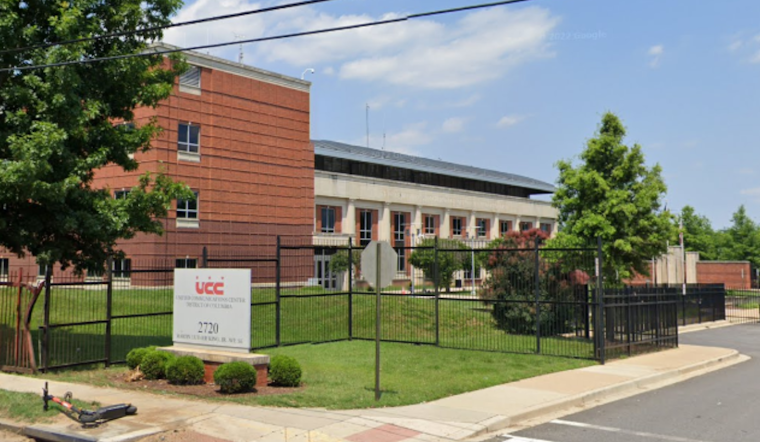
Washington, D.C., suffers a string of disruptions at its 911 call center, critically affecting public safety in the nation's capital. According to NBC Washington, the 911 center experienced staffing shortages on 88% of all shifts in July, in addition to a series of outages, the latest of which lasted 20 minutes due to a "connectivity disruption." Insiders have revealed that call takers and dispatchers were forced to revert to manual dispatch during outages, a critical fallback that requires meticulous training and precise execution.
These repeated outages have compelled some D.C. leaders to call for cuts to the Office of Unified Communications (OUC) funding, responsible for 911 calls dispatch. The frustration was incited after a 5-month-old suffered a fatal cardiac arrest during a prolonged system disruption on August 2. "My issue is, I don’t know how much danger folks are in," disclosed Aru Sahni, ANC for the Edgewood neighborhood, in a WJLA interview, underscoring the gravity of these systemic failures.
7News dug into the agency's backup plan, finding that not only are there technical issues to surmount, but procedural deficiencies were also exposed after a flood at District Dogs led to the death of 10 dogs, with OUC lacking an appropriate dispatch code for such an emergency. These revelations come as additional efforts to scrutinize the situation are being made. In a statement obtained by NBC Washington, a spokesperson explained that disruptions "were related to the performance of hardware which hosts the Computer Assisted Dispatch software", and noted that system upgrades and monitoring implementation are underway.
Public safety advocate Dave Statter, who has kept a close watch on the state of D.C.'s 911 systems for years, expressed his alarm, stating, "This is the worst I have seen it," during a FOX 5 DC. Statter further criticized the lack of transparency and accountability within the OUC.
Furthermore, in the latest information shared by the Office of the Deputy Mayor for Public Safety and Justice via FOX 5, while they claim no dispatch responses were delayed during the recent outage, the continued technological and protocol issues signal an immediate need for rectifying this potentially life-threatening situation.




