

























































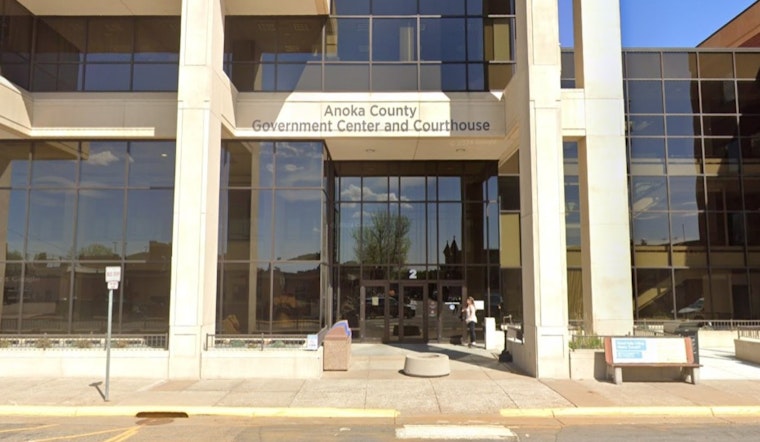
With a focus on strengthening its defenses against Mother Nature's less forgiving moments, Anoka County is reaching out to the people at the heart of its communities - residents, local leaders, businesses, and organizations - for their thoughts and experiences related to severe weather, and for their input on mitigating future weather-related disasters.
Working collaboratively with U-Spatial at the University of Minnesota Duluth, the Anoka County Office of Emergency Management is in the process of reviewing and updating the county's Hazard Mitigation Plan (HMP). According to a recent announcement, the plan is comprehensive, covering all cities, and townships within the county, as well as school districts, watershed districts, and other key parties. However, public engagement is crucial, noted Anoka County Emergency Management, because it ensures that local voices and concerns shape the strategies that will guard the community against tornadoes, floods, blizzards, and the like.
“Understanding the natural hazards that can cause serious impact to our communities and taking action to reduce or eliminate the impact of future disasters makes us more resilient," said Terry Stoltzman, Anoka County's Emergency Management Director in a statement made available by the county. Hazard mitigation spans a variety of actions: from stormwater management improvements and the construction of tornado-safe rooms to defensible space in wildfire areas and burying powerlines for better storm resistance.
Residents and business owners are now encouraged, to bring forward their insights into local vulnerabilities and potential enhancements that could spare Anoka County's communities from the recurring cycle of damage and repair. The county's call for public input includes specific queries about perceived risks, and particularly vulnerable populations or assets. Public suggestions will be captured and woven into the county's updated HMP. Stoltzman also emphasized the financial wisdom of mitigation, hinting at opportunities for FEMA Hazard Mitigation Assistance grant funding for certain projects.
To have your say on the future of Anoka County's resilience, you can reach out to the Emergency Management team via phone or email, or simply by leaving a comment on social media posts regarding the updating process. Further, the county ensures there will be additional opportunities for review and feedback once the draft plan is made public. This interactive element of planning is aligned with the Disaster Mitigation Act of 2000 which necessitates counties to periodically update their HMP, keeping them aligned with FEMA's aid prerequisites.





