

























































Arizona's Proposition 314, known as the "Secure the Border Act," has become a hot-button issue leading up to the November ballot, stirring debate on both sides about its implications on illegal immigration and border security. This measure, which would enable state and local police to arrest individuals for unlawful border crossings outside of ports of entry and crack down on the use of false documentation, was debated Thursday night as reported by FOX 10 Phoenix. Senator John Kavanagh supported the initiative, while Representative Analise Ortiz raised serious concerns about constitutional violations and the cost to the state.
During the debate, proponents like Arizona Senate President Warren Petersen claimed that Proposition 314 is centered solely on border security, not affecting those already within the state lines. On the other hand, opponents labeled it racist, with Alejanda Gomez, Executive Director of Living United for Change in Arizona, comparing it to "SB1070 on steroids," according to FOX 10 Phoenix. Arguments extended into the sale of fentanyl, which under Proposition 314, could lead to a class two felony if a death results from the sale.
Furthermore, an analysis by Arizona's Family fact-checked claims made by both lawmakers in the Proposition 314 debate. Kavanagh's statement regarding the potential for 10 million people to cross the U.S. border by the end of the Biden administration was rated mostly true, based on a U.S. House committee report and data from U.S. Customs and Border Protection. Ortiz's comments about the high percentage of fentanyl smuggled through ports of entry, and the significant economic contribution of immigrants to Arizona's economy were also found to be true. However, her assertion that Prop 314 implements a 'stop-and-frisk' policy without new funding for law enforcement required additional context.
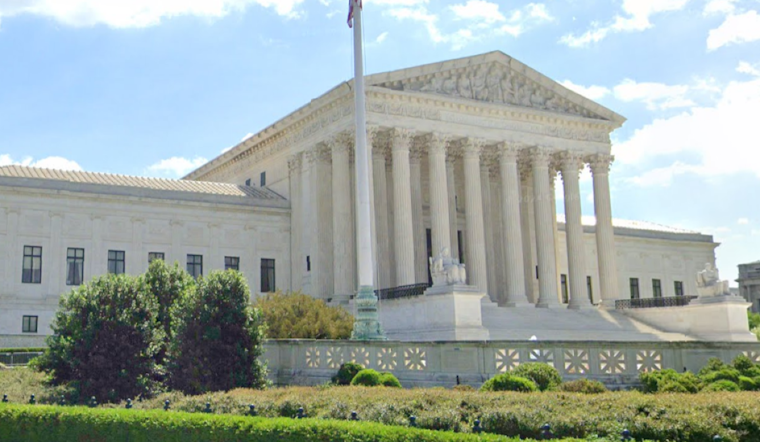
The future of Proposition 314 hinges on a U.S. Supreme Court decision on a similar Texas law, but if passed, it would empower state judges to order deportations and require E-Verify for certain programs. The discussion over the potential impact of the measure continues as Governor Katie Hobbs has voiced opposition, citing the potential for racial profiling and the need for resources over "empty political rhetoric," as she told Arizona's Family. Despite this opposition, a poll reported earlier this month suggests a majority of Arizona voters support the ballot measure.





