

























































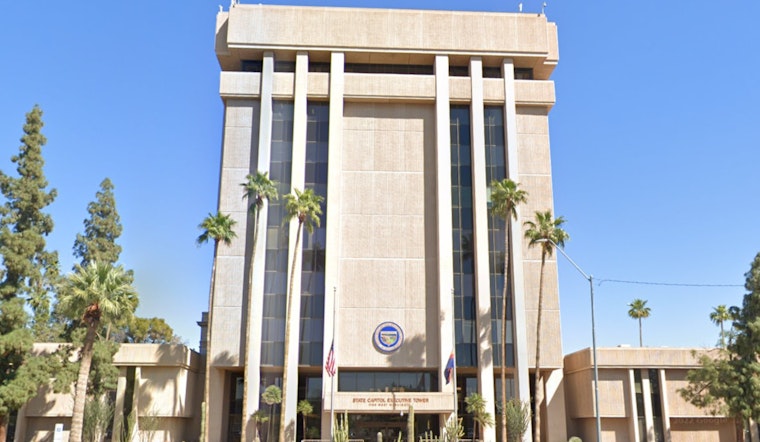
Amid concerns over the risk of wildfires, Arizona State Representative David Cook has pushed back against the U.S. Air Force's plans to use flares at lower altitudes during training in fire-prone areas. In response to the Air Force's Draft Environmental Impact Statement (EIS) for special use airspace in Arizona, Cook has submitted comments urging the Air Force to strengthen fire safety measures to better protect the local environment and residents.
The flare usage in question, a standard military training protocol, is being scrutinized for its potential to ignite wildfires in a state already battling with long-term drought conditions. "While Arizona is an important state for conducting strategic military training operations, the Air Force needs to take every precaution to protect people and land from preventable disasters, including wildland fires," Cook said, as detailed in a letter posted on the Arizona Legislature website. The concern is not without precedent; the massive Telegraph Fire in 2021 scorched over 180,000 acres and revived memories of the persistent threat wildfires pose to Arizona.
Cook's suggested modifications to the Draft EIS include prohibiting the release of flares on days with active federal, state, or local fire restrictions. He reasons that combining minimum altitude restrictions with more rigorous operational constraints tied to current fire conditions would significantly diminish the risks of unintentional fires. "The best way to reduce the risk of fire caused by flares is to implement a dual approach that includes both minimum altitude restrictions and operational constraints that correlate with local, state, and federal fire restrictions," Cook wrote in his comments to the Air Force, according to the Arizona Legislature website.
Public input on this matter is crucial, and Arizonans are urged to voice their opinions. Comments can be submitted through the official Air Force EIS webpage. Representative Cook, representing the areas of Pinal, Gila, Coconino, and Navajo Counties, continues to highlight these concerns amidst his roles on the House Transportation & Infrastructure Committee and the International Trade Committee. Updates and further engagement from the public are anticipated as the discussion progresses.





