

























































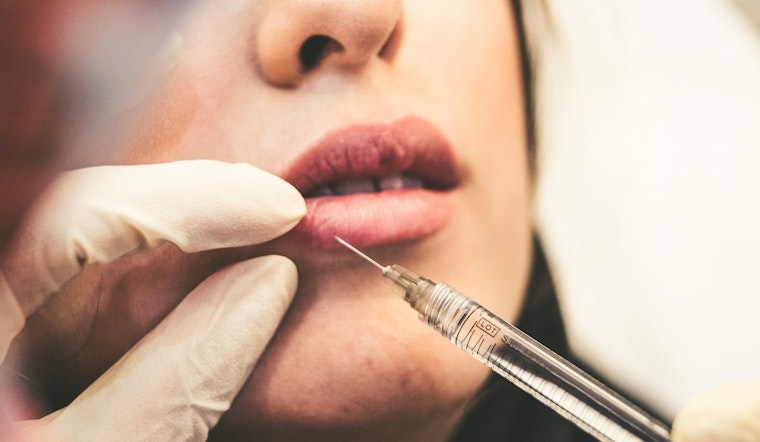
An Arizona woman's pursuit of affordable cosmetic enhancements led to an unexpected and painful ordeal. Athena Zafirakis turned to an Instagram-advertised provider for lip fillers, a decision that resulted in exaggerated swelling and prominent bruising. "The bruising is crazy, and they kind of hurt," Zafirakis disclosed to ABC 15 in a recent interview. The seductive price tag of less than $300, notably below the typical med spa's rate, was a warning flag she only recognized in hindsight.
According to the same ABC 15 report, another concern was the transaction method, requiring a deposit through Cash App, not to mention Zafirakis having to navigate communication solely via the social platform. The provider, operating out of her house, claimed to be a nurse—a claim later contested when the aftermath pushed Zafirakis to seek professional help. Nurses are required to be licensed for such procedures in Arizona, a fact many first-time clients like Zafirakis are unfortunately unaware of.
Medical experts are emphasizing the risks associated with unlicensed injectors in the wake of these incidents. "There are so many people out there that are unlicensed and unsafe," Megan Davies, a nurse practitioner and medical director at DHH Med Spa in Scottsdale, told Head Topics. Horrific outcomes ranged from permanent scarring to, in more severe instances, the potential for blindness or stroke. The provider implicated in Zafirakis' case defended her practice over the phone to ABC 15, stating her method does not require a medical license in Arizona. She utilizes a hyaluron pen, a needle-free device that the FDA warned against due to its associated risks of serious injury or permanent harm.
Under the knowledgeable hands of Katrina Amburgey, a registered nurse, Zafirakis eventually received injections of a hyaluronic acid enzyme to dissolve the problematic filler. Despite Amburgey not having been the original injector and thus uncertain of the specific filler used, she was able to mitigate the damage. Reflecting on her harrowing experience, Zafirakis told ABC 15, "Luckily, we were able to dissolve it." She imparts her story as a cautionary tale, hoping to prevent others from enduring a similar plight.
Experts recommend diligent research before undergoing cosmetic injectables, including verifying the practitioner's licensing status and inquiring about their experience and frequency in performing such procedures.





