

























































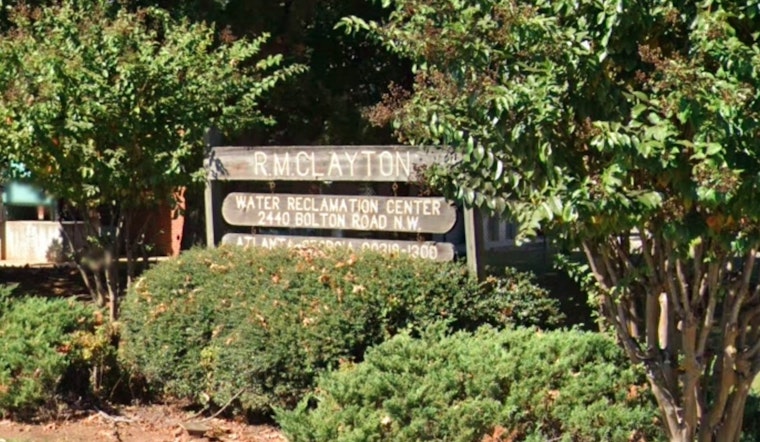
In the ongoing saga of Atlanta's efforts to clean up its act, or rather its water, the RM Clayton Water Reclamation Center is now reportedly meeting the stringent wastewater standards set forth by the Georgia Environmental Protection Division (EPD). The City of Atlanta's recently launched improvements at the treatment facility appear to be paying off, as information from the City of Atlanta states that the facility is now discharging treated wastewater within EPD's acceptable limits.
The City of Atlanta was on the receiving end of a lawsuit from the Chattahoochee Riverkeeper, yet the City asserts that dialogues have been ongoing and cooperative. "The City of Atlanta Department of Watershed Management (DWM) continues to make enhancements to the RM Clayton Water WRC to maintain compliance with the Georgia Environmental Protection Division’s (EPD) permit requirements." Despite the tensions, the City of Atlanta has worked diligently to implement necessary upgrades and maintenance efforts at the facility, including scheduled preventative and corrective work on key equipment.
Perhaps most critically, the RM Clayton Water Reclamation Center has not recorded any exceedances in E. Coli levels since March 23, and has maintained compliance with all other National Pollutant Discharge Elimination System (NPDES) requirements since August 18. This turnaround is thanks, in part, to the improvements, which cover everything from primary and secondary clarifiers to an augmented disinfection process involving both chlorine and ultraviolet light. These cumulative measures are ensuring that the water returned to the Chattahoochee is sufficiently clean and non-threatening to the ecosystem.
The City of Atlanta isn't just content to meet current standards; they are actively future-proofing the facility. Increased staffing, management changes, and investments in aesthetic upgrades like landscaping and signage are laying the groundwork for a facility that respects both the environment and the community it serves. Additionally, completed repairs to key infrastructure, such as incinerators and thermodryers, reinforce the city's pledge to keep operations tight and effective, which contrasts with a time when the machinery languished and protocols faltered at the mercy of time and neglect.
EPD and EPA reports endorse the recent changes, acknowledging the improved operations following their visit in March. Yet, they note that the job isn't done; more repairs are necessary and planned for the near future, in accordance with the city’s Corrective Action Plan. This continued effort illustrates a broader commitment by Atlanta to be "a City Built for the Future and One Safe City." For those interested in staying informed, the City of Atlanta encourages residents to connect with them on social media platforms like Facebook, X, Nextdoor, and Instagram via ATLWatershed.





