

























































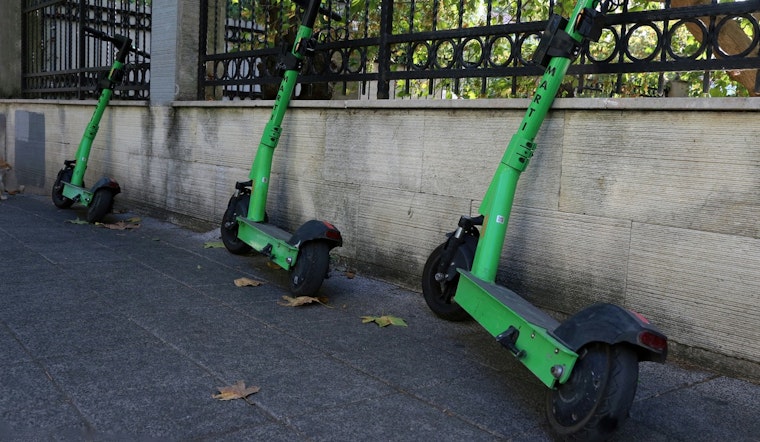
An audit by the Austin Auditor's Office has exposed significant inaccuracies in the city’s tracking of e-scooter-related crashes. Published in August, this audit highlights the city's lack of "complete and reliable data" which hampers its efforts to enhance the safety of e-scooter usage. E-scooters, a common sight since their introduction to Austin in April 2018, have seen nearly 18 million trips, but the specifics of crash incidents are blurred, painting an unclear picture for safety improvements and public education on e-scooter safety, reports KXAN.
Despite e-scooter providers in Austin being required to submit monthly collision data, including time, location, and severity, the audit found discrepancies. Two out of four providers reported zero collisions for the years 2022 and 2023. "Based on our review of e-scooter collision reports from calendar years 2022 and 2023, it appears unlikely that all collision data was reported to the City," the audit stated. The lack of reliable information extends to the number of accidents and the severity of the injuries incurred, which affects the city's ability to detect trends and patterns that could guide preventative measures. A considerable disparity exists wherein the city's e-scooter staff mentioned six deaths related to e-scooters since 2018, while the staff of Austin's Vision Zero suggests there are two to three e-scooter-related fatalities annually, indicating a possible total of at least 14 deaths, according to KVUE.
Adding to the challenges are the various definitions of what constitutes a scooter crash among different data-collecting agencies. With entities ranging from local hospitals, and urgent care sites, to the Austin-Travis County EMS and Austin Police Department, the lack of standardized reporting terms leads to inconsistencies. The National Transportation Safety Board had already highlighted similar data problems at a national level in 2021 and recommended that cities adopt specific police codes for e-scooter collisions to improve accuracy in assessing safety trends.
The audit also brought to light that the city's implementation of new e-scooter rules in March 2024, which aimed to decrease collision risks, lacked a public consultation process and proper communication with providers. The findings suggest that the city, amidst concerns over enforcement abilities due to staffing challenges at the Austin Police Department, is navigating uncharted terrains of urban mobility without a detailed map. In the wake of these revelations, the audit recommends measures such as clearly defining key terms, establishing standardized codes in collaboration with emergency services and the police, and integrating crash data into the Vision Zero Viewer to enhance the management of e-scooter operation and safety.




