

























































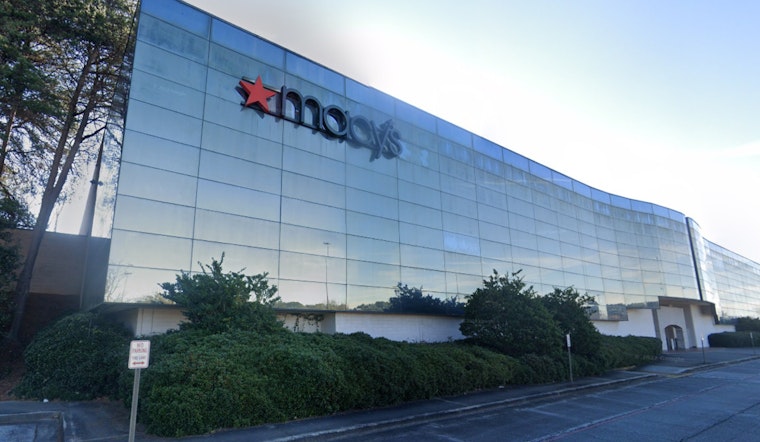
In a decisive move for urban transformation, Gwinnett County has secured a 23-acre property at the crumbling Gwinnett Place Mall, previously home to Macy's. For $16.5 million, the County's Urban Redevelopment Agency will take over the site, aiming to revitalize the area into an economic and cultural hub. The space includes Macy’s department store and furniture store, which will continue operations until early 2025, as reported by Gwinnett County News and Events.
The deal not only expands the county’s footprint on the mall site to a robust 76 acres but also hinges on carefully drafted redevelopment plans steeped in public input. According to the same source, the Equitable Redevelopment Plan and the Gwinnett Place Mall Site Revitalization Strategy canvassed insights from over 8,000 residents, highlighting the local desire for preservation and job growth. The plans propose an international community cultural center, housing, and a vibrant park central to the new development.
Intertwined with the county's broader 2045 Unified Plan, this project promises inclusive economic growth. Gwinnett County Chairwoman Nicole Love Hendrickson believes this redevelopment to be a pivotal point in setting up a model for equitable transformation, saying, "The acquisition of the Macy's site marks a pivotal step forward in the redevelopment of Gwinnett Place Mall," as she told Gwinnett County News and Events.
March of this year brought a partnership with CBRE into the county's fold to further refine the redevelopment blueprint. Lee Ann Korst from CBRE, gazing into the county’s planning efforts, praises its visionary approach for the benefit of Gwinnett residents, stating, "They are forward thinking about using the underutilized site as a catalyst and to the benefit of the surrounding community and taxpayers," in an interview with Gwinnett County News and Events.
The county is on a tight schedule, with the purchase expected to close in November 2024 and developer partnerships to begin discussions by early 2025. As the project evolves, it aims to not just rejuvenate the urban landscape but also to forge strong public-private partnerships that catalyze community-centric economic resurgence.





