

























































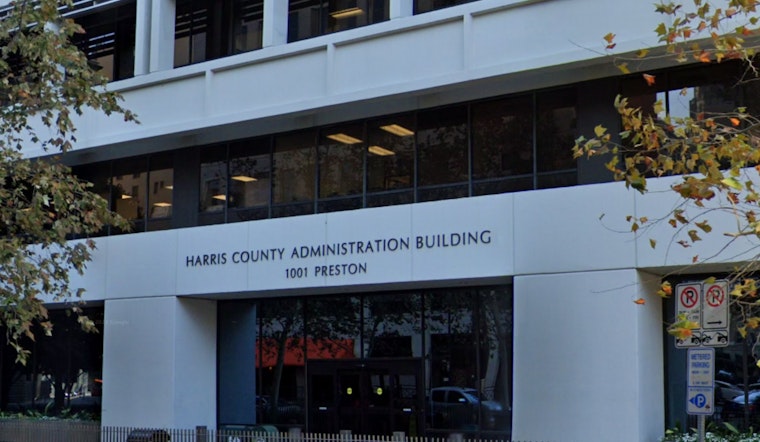
In response to a series of calamitous weather events, Harris County taxpayers might be on the hook for an increased property tax rate that surpasses the state's standard limit. The Harris County Commissioners Court is weighing a tax rate hike that could hit an 8% boost, far above the usual 3.5% cap, as per a measure stemming from the aftermath of Hurricane Beryl, the derecho in May, and flooding earlier in the year. The Houston Chronicle reported that the county might use the disaster tax rate to recoup costs for disaster relief and maintain essential services.
County officials are propelled into considering this move following three disaster declarations issued by Governor Greg Abbott, which includes flooding and the recent Hurricane Beryl. The budget office has indicated, as reported by The Houston Chronicle, that an 8% increase would help the county manage its struggling contingency funds and service maintenance without peering too closely at its financial reserves. There is set to be a vote on the proposed tax rates on September 19, following a proposal meeting scheduled for September 10.
Should the increase be enacted, the financial impact on homeowners would be tangible. For instance, the owner of a property valued at $400,000 could expect to pay an extra $160 this year, as explained by Harris County’s management and budget director Daniel Ramos. The proposed rate would move from $0.35 to $0.37 per $100 of property value, taking into account not just the disaster multiplier but also other variables, such as the overall taxable property value in county and past tax refund amounts.
The contentious nature of this tax hike stems in part from concerns over how the revenue will be utilized. Commissioner Tom Ramsey, who has expressed opposition to the proposal, fears that the funds may not be strictly allotted for disaster recovery, which could draw scrutiny from state legislators. Ramsey cautioned, as Click2Houston detailed, against improper allocation of the disaster funds.
Additionally, educational institutions affected by disasters can use a financial tool called "disaster pennies" to cover damages. For instance, the Conroe ISD board is considering using disaster pennies to repair damage from Hurricane Beryl. However, unlike counties, school districts have a limited time to decide on using disaster pennies since they set their budgets in the fall. Yet, thus far, Houston ISD officials have disclosed no plans to use them, staying away from increasing the burden on taxpayers.





