

























































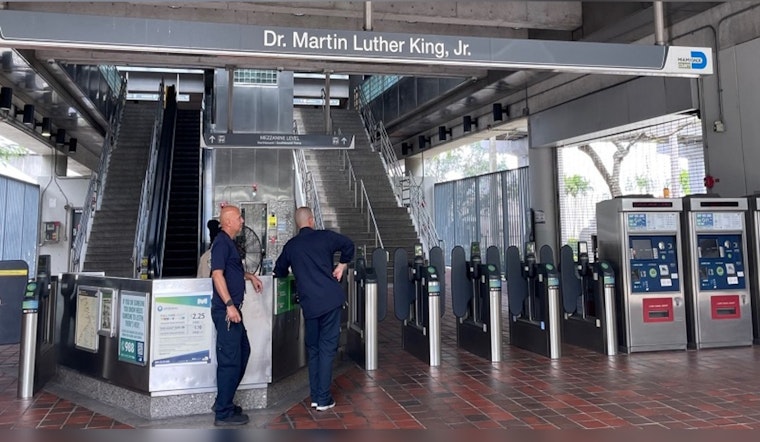
Miami-Dade County's efforts to revitalize one of its neighborhoods just got a significant boost from the federal government. A $500,000 Choice Neighborhoods Initiative (CNI) Planning Grant has been awarded by the U.S. Department of Housing and Urban Development (HUD) to the county's Public Housing and Community Development (PHCD), as reported by Miami-Dade County earlier today. The grant is aimed at transforming the area around the Dr. Martin Luther King Jr. Metrorail Station, which spans County Commission Districts 2 and 3.
The initiative comes with a two-year timeline and a community-led approach. PHCD will take the lead, working in concert with county departments, local residents from public housing, community, and nonprofit organizations. The ultimate objective is to forge a comprehensive plan that not only introduces modern, affordable, and workforce housing but also beefs up local resources. The grant's capacity to start plans that could see the neighborhood's elevation in both infrastructure and community potential.
Leadership at PHCD is clear about the grant serving as a catalyst for change. "This two-year, community-driven grant, led by PHCD, will focus on revitalizing the neighborhood surrounding the Dr. Martin Luther King Jr. Metrorail Station in County Commission Districts 2 and 3," PHCD outlines on their official announcement. The aim is to capture the idea of rejuvenation and holistic development tailored to the specific needs of the community.
Collaboration seems to be the cornerstone of this initiative. The PHCD plans to embrace a hands-on approach with community members and organizations, intending to mirror the true needs and, aspirations of those at the heart of this growth. "PHCD will collaborate with multiple county departments, public housing and neighborhood residents, as well as community and non-profit organizations, to develop an actionable plan that truly reflects the needs and aspirations of the community," the announcement stated. It's a sentiment that suggests the potential for sustainable improvement ingrained by active participation.
With dedicated federal dollars now slated for planning, the community awaits the resulting strategies that will unfold from this initiative. Expectations hinge on the belief that the collaborative planning will ascend beyond mere aesthetics to impact the socio-economic canvas of the area.





