

























































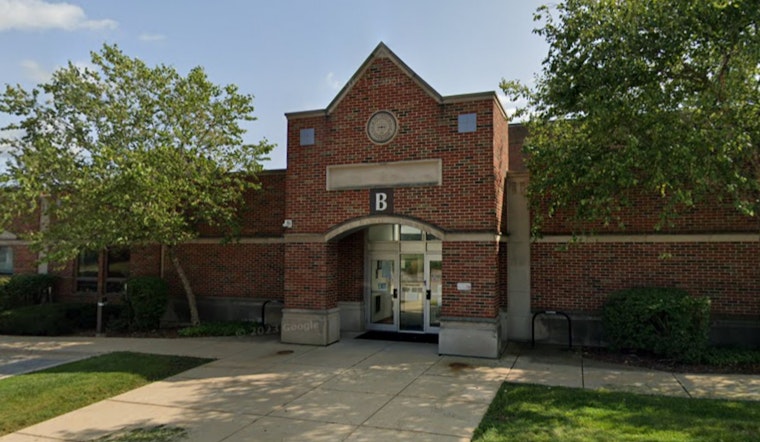
A brief experiment with "First Amendment zones" at the Kane County Government Center has sparked a robust conversation about free speech rights and the management of public spaces. The Chicago Tribune reported that last Wednesday Kane County Board members collectively expressed opposition to the establishment of free speech zones, which had been designated for individuals or groups to exercise their constitutional rights. This move came after significant public concern that these zones unduly restricted free expression to remote areas of the government campus. Such areas, though legal, are contentious, as they involve the delicate balancing act of protecting the First Amendment while ensuring access and safety on public property.
Originally put up on August 27, the First Amendment zone signs were intended to manage pedestrian and traffic flow around a tax payment dropbox, but critics, including Geneva resident Brad Raschke, argue that it was in response to criticism of Kane County Board Chair Corinne Pierog. The signs were removed within a day, and members of the public, including those who were distributing flyers, asserted during a county board meeting that they were not obstructing building entrances or traffic, as reported by Daily Herald.
Discussion at the board committee meeting suggested that the creation of such zones should not be a one-person decision, and any attempts to regulate the time, manner, and place of speech should be thoroughly vetted by the full board. Kane County State’s Attorney Jamie Mosser emphasized that "It is the purview of this County Board, and not one person's decision, to create a free speech zone," highlighting the need for a collective approach to such significant decisions.
Despite the initial intention to facilitate orderly conduct on the campus, officials are reconsidering how to address concerns without infringing upon free speech. Rather than zoning out dissent, County Board member Jarett Sanchez suggested simply putting up signs requesting that people do not block entryways or sidewalks. This reflects a shared consensus on the board that speech should be free and unconfined, according to their deliberations. It is not only about the words spoken but where and how those words find space in the public square, that the guidance of the state's attorney, who upon learning about the First Amendment zones from a citizen, requested the immediate removal of the sign until a full discussion could be had, underscores the gravity with which these deliberations are taken.
The incident has prompted further examination of existing policies. County staff argued that the zones were not meant to censure speech but to protect it, suggesting a conflict between intention and perception. These developments point to a continuous dialogue on how to maintain the balance between free expression and public order, a reminder that the spirit of democracy is always, by necessity, a work in progress.




