

























































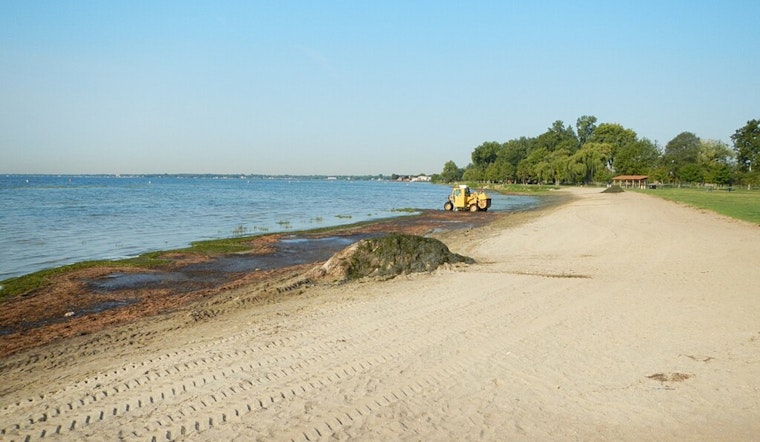
Controversy continues to roil between Macomb and Oakland counties over the release of partially treated sewage into Lake St. Clair, a simmering dispute that has both sides digging in and trading accusations. Macomb County Public Works Commissioner Candice Miller has been vocal in her criticism of Oakland County, claiming that after heavy rainfall, its sewage discharges are polluting the lake and causing water quality issues. According to Local 4, Miller described “In the Red Run Drain, where there’s all these trees – the trees were totally covered with sewer wipes and there were condoms – and everything imaginable all over there.”
However, Oakland County has refuted these allegations, defending the operations of its George W. Kuhn Retention Treatment Basin. Oakland County Water Resources Commissioner Jim Nash, held a news conference where he labeled the excess that sometimes finds its way into Lake St. Clair as "fully treated stormwater." “We follow all relevant laws, including the Clean Water Act, and we work in close partnership with the state to ensure that we’re meeting or exceeding standards,” Nash told reporters, as captured by Detroit Free Press. According to Nash, the issues are more likely caused by runoff from animal waste and fertilizer, a claim supported by data from Macomb County’s own health department.
Commissioner Nash also dismissed Miller’s charges as a political diversion. In a statement obtained by michiganpublic, he retorted that it's Macomb’s lack of investment in their infrastructure over the past decade that is the root problem. Oakland County Commissioner David Woodward echoed Nash's sentiments, arguing that no county in the state has invested more in their water and sewage treatment systems than Oakland County.
Meanwhile, Macomb County leaders have suggested that their counterparts are using their facilities as a political scapegoat. “You’re flat out wrong that this facility, this office – operations in full compliance with the state’s and federal regulations. What needs to happen is Macomb County needs to start investing at the same comparable level to address treating water,” said Macomb Commission Director Candice Miller in a defense of her county's practices, as detailed by Local 4.
The concerns over water quality at Lake St. Clair aren't isolated. The broader conversation includes how the region will manage more intense rainstorms and the implications on infrastructure. Both counties agreed on one thing, there’s a need for more investment in green infrastructure and SEMCOG's stand on the necessity for the state to pass legislation to fund it. According to SEMCOG's manager of environment and infrastructure group Kelly Karll, as reported by michiganpublic, "Without this legislation, we will continue to experience flooding across the region and more water quality challenges."





.jpg)