

























































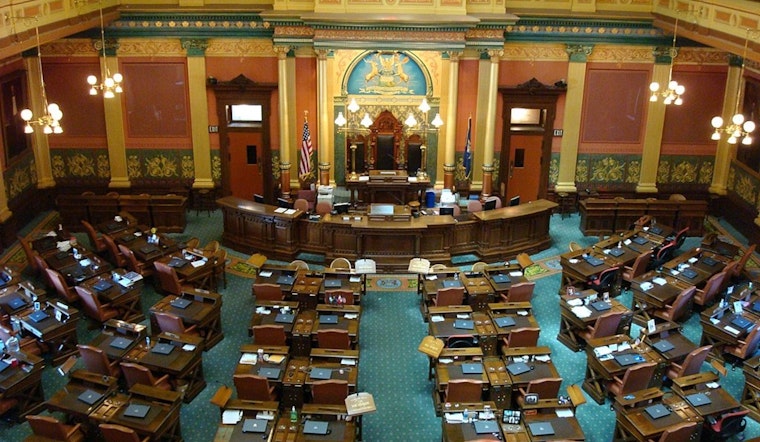
Michigan's Legislature has given the green light to an education spending bill that aims to reinforce school safety and mental health programs with $126 million in funding. This decision comes as a partial restoration of the near $300 million that was slashed from the state's education budget earlier this year, as per Upper Michigan's Source.
Rep. Regina Weiss, D-6th State House District stated, “Michigan Democrats are taking transformational steps to meet the needs of our kids our parents and our teachers. Strong schools support healthy kids, that’s what we are bringing home to every community in Michigan today.” Despite the restoration effort, critics like State Rep. Nancy DeBoer, R-86th District argued that the partial funding fails to sufficiently meet necessary safety and mental health supports, as it "restores only half of the funding that schools use to improve safety and security," reported by Upper Michigan's Source.
Meanwhile, the bill's approval wasn't without its challenges. According to The Detroit News, the funding received requisite votes in both the House and the Senate. However, the Senate fell short of granting it immediate effect, deferring its implementation until early 2025.
The push for the passage of the supplemental budget bill, House Bill 5503, grew out of the summer's repeated calls from teachers and school administrators for increased school funding. This outcry came in response to the budget passed in June that failed to raise the per-pupil funding, marking a decade-first such stagnation. According to CBS Detroit, state Superintendent Michael Rice advocated for the bill, emphasizing the necessity of bolstering student mental health resources and ensuring school safety.
Despite the bill's passage, this one-time funding does not guarantee inclusion in next year's state budget. With billions in federal COVID-19 relief drying up by year-end, Michigan lawmakers are grappling with future financial uncertainties. As Rep. Jaime Greene pointed out in a CBS Detroit interview before the vote, the movement on this supplemental budget appeared driven by political pressure, signaling that the matter of funding education in Michigan remains a contentious issue on both sides of the aisle.





