

























































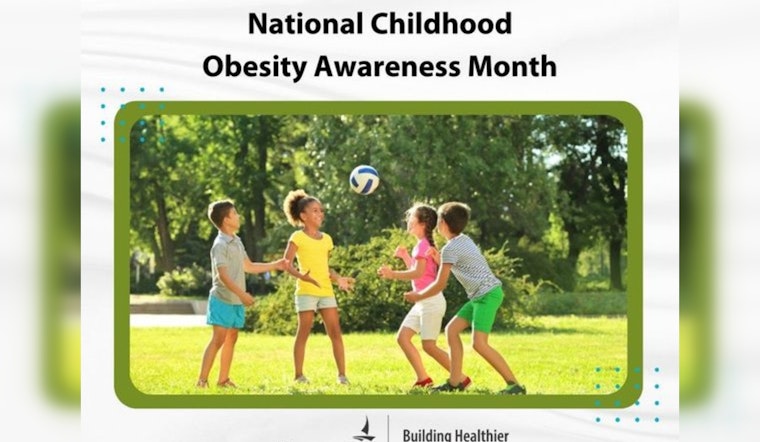
The struggle with obesity has long cast a shadow over the health of America's youth, a fact acknowledged by the dedication of September as National Childhood Obesity Awareness Month. With a staggering 1 in 5 American children grappling with obesity, organizations, and health experts are highlighting strategies to foster healthier lifestyles for our kids. In a recent post by the City of Minneapolis Health Department, various methods are recommended to combat this pressing health concern including the adoption of healthier eating patterns and the encouragement of physical activities for the whole family.
According to the City of Minneapolis Health Department, implementing consistent bedtimes and cutting down on screen time are also critical steps toward improving children's physical and mental well-being. With obesity prevention starting as early as Early Care and Education, there's impetus on not just families but also educational institutions to take meaningful actions towards mitigating this issue.
Amidst the battle against childhood obesity, the focus is not solely on nutrition and exercise. The conversation extends to mental health, recognizing the interplay between physical health and psychological well-being. Delving deeper into the issue, the Centers for Disease Control and Prevention offers resources and guidance on how to promote better habits that target obesity from a holistic standpoint.
As the month of awareness draws to an end, the reflection it induces holds relevance throughout the year. Health experts urge maintaining the momentum generated by National Childhood Obesity Awareness Month well beyond its official calendar slot. A profound cultural shift in the approach to children's health could pave the way for a future where the statistic of 1 in 5 becomes not a persistent reality, but a historical statistic of a battle largely won, a shift that must be nurtured within homes, schools, and community centers alike.





